Sleep Apnea
Snoring with repeated breathing pauses may fragment sleep and reduce blood oxygen. Obstructive sleep apnea (OSA) is diagnosed with a sleep study and managed through an individualised plan that may include lifestyle measures, PAP therapy, an oral appliance or surgery.

Doç. Dr. Osman Halit Çam
ENT & Head and Neck Surgery · Üsküdar, Istanbul

Sleep Apnea — clinic video
{ AI · pre-assessment }
onlineLet's talk about your sleep

AI responses are not a substitute for a medical diagnosis.
Konuyla ilgili kısa videolar
Tüm videolar →Doç. Dr. Çam'ın YouTube kanalından bu konuyla ilgili kısa açıklamalar. Toplam 2 video.
-
Burun Ameliyatı ile Horlama/Uyku Apnesi Geçer mi?
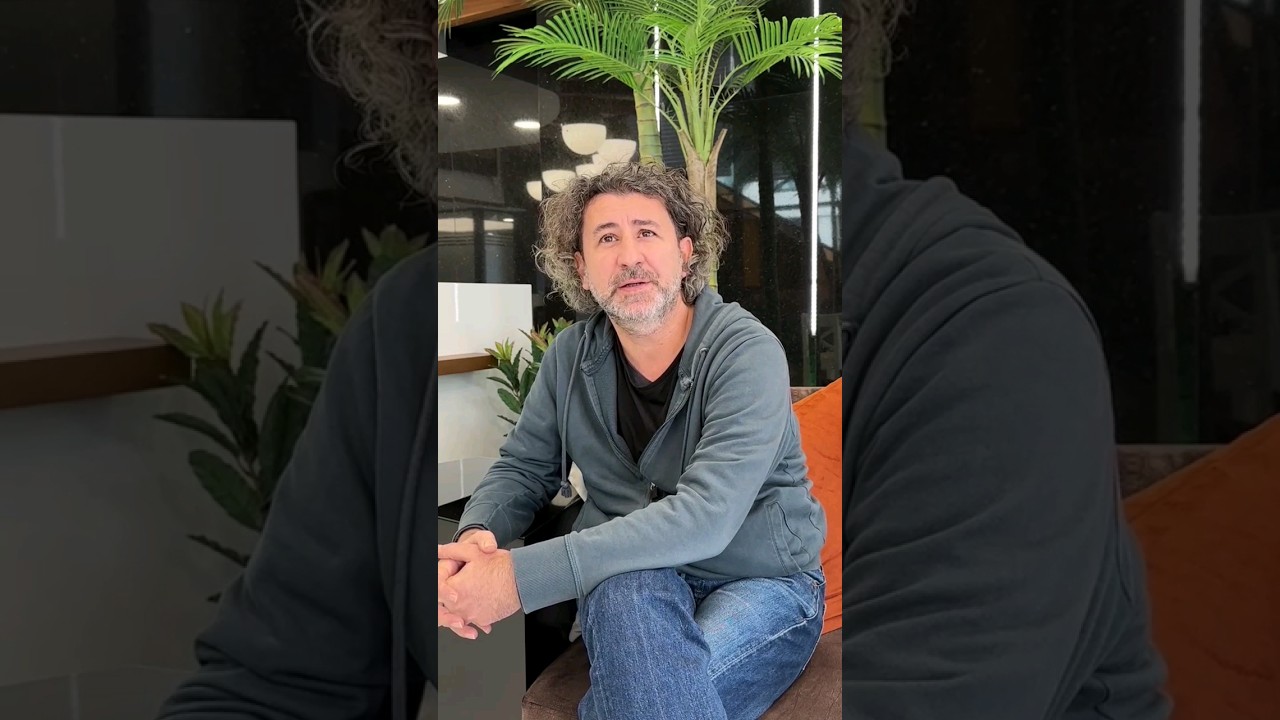
Endolaser Turbinoplasti + Uyku Cerrahileri
Sleep apnea is repeated narrowing or closure of the upper airway during sleep. Polysomnography measures breathing events, oxygen changes and the apnea–hypopnea index (AHI). Treatment is individualised according to severity, anatomy and other health conditions, using lifestyle measures, PAP therapy, an oral appliance or surgery where appropriate.
- Type
- Combined medical/surgical
- Duration
- Variable
- Anesthesia
- Depends on the case
- Stay
- Mostly outpatient
- Recovery
- 1–2 weeks
Özet: Sleep apnea is a sleep-related breathing disorder involving repeated reductions or interruptions in airflow. Symptoms and home observations can raise concern, but they cannot establish the diagnosis or determine severity. Assessment combines medical history, examination and an objective sleep study when indicated. Prescribed PAP therapy or medication should not be reduced, changed or stopped without physician guidance, and anyone experiencing drowsiness must not drive or operate machinery.
Sleep apnea is a disorder in which breathing becomes repeatedly reduced or interrupted during sleep. Obstructive sleep apnea (OSA) is the form associated with repeated narrowing or closure of the upper airway while breathing effort continues.
Table of Contents
This article explains how sleep apnea is defined, which observations may justify medical assessment and how objective findings are interpreted. It also outlines appointment preparation, diagnostic principles, treatment categories, PAP safety, follow-up and childhood considerations. The sections are educational and do not provide a self-diagnosis or self-treatment pathway.
- What Is Sleep Apnea?
- Apnea, Hypopnea and AHI Classification
- Symptoms: Night and Day
- What Triggers Sleep Apnea?
- Preparing for Your Appointment
- What to Expect at Your First Consultation
- The Diagnostic Pathway: Polysomnography Is the Gold Standard
- Which Treatment Suits Whom?
- Treatment Approaches: From Conservative to Surgical
- Getting Used to CPAP
- The Process and Recovery
- What Happens If Sleep Apnea Goes Untreated?
- Quality of Life and Long-Term Follow-Up
- Sleep Apnea in Children
- Common Misconceptions
- The International Patient Pathway
- When Should a Specialist Be Consulted?
- Frequently Asked Questions
- References
What Is Sleep Apnea?
Sleep apnea is characterised by recurring breathing events during sleep. In OSA, respiratory effort continues while the upper airway becomes substantially narrowed or closes. These events may fragment sleep and may be accompanied by changes in blood oxygen, but neither symptoms nor snoring alone can determine whether apnea is present.
The upper airway includes the nose, nasopharynx, soft palate, uvula, tonsils, tongue base and upper laryngeal region. Muscle activity helps maintain airway openness while awake. During sleep, reduced muscle tone may contribute to narrowing in susceptible individuals, depending on anatomy, body position and other factors.
In adult sleep-event scoring, a duration of at least 10 seconds is part of the definition of an apnea, but duration alone is insufficient. The reduction in the recorded airflow signal and the presence or absence of respiratory effort must also be evaluated according to formal scoring criteria.
A hypopnea is a qualifying reduction in airflow rather than a complete cessation. Its identification likewise depends on recorded physiological signals rather than a partner’s observation alone.
Sleep-related apnea events are described in distinct categories:
- Obstructive apnea: Airflow is interrupted while respiratory effort continues.
- Central apnea: Airflow and respiratory effort are absent during the scored event.
- Mixed apnea: A single event contains central and obstructive components.
- Treatment-emergent central sleep apnea: Central events emerge or persist during treatment of obstructive sleep apnea; this is not another name for mixed apnea.
Snoring is an upper-airway vibration sound and does not, by itself, show whether scored breathing events or oxygen changes are present. Further general information about the distinction is available on the snoring page.
Apnea, Hypopnea and AHI Classification
The apnea–hypopnea index (AHI) expresses the average number of scored apneas and hypopneas per hour of recorded sleep. It helps describe the study findings, but it is not a stand-alone treatment algorithm. Interpretation varies with age and must also consider oxygen changes, sleep fragmentation, symptoms, medical history and study quality.
| Sleep-study element | What it describes | What the physician may evaluate |
|---|---|---|
| Apnea | A scored interruption of airflow meeting formal signal and duration criteria | Event type, respiratory effort and relationship to sleep stage or position |
| Hypopnea | A scored reduction in airflow meeting the applicable criteria | Associated physiological changes and the overall pattern of events |
| AHI | The average number of scored apneas and hypopneas per hour of sleep | Age-appropriate interpretation, symptoms and accompanying study findings |
| Oxygen data | Changes in blood oxygen recorded during sleep | Depth, pattern and clinical context of the changes |
| Sleep fragmentation | Repeated disruption of normal sleep continuity | Possible relationship to daytime function and other sleep conditions |
Adult classification thresholds should not be automatically applied to children. Even within the same age group, two people with a similar AHI may differ in oxygen changes, daytime alertness, coexisting conditions, sleep-stage distribution and positional pattern.
For this reason, the report is interpreted as a whole. The AHI contributes to the assessment, while the physician also reviews the recording quality, type of events, symptoms, anatomy and relevant health conditions before discussing management.
Symptoms: Night and Day
Sleep apnea may be associated with observations during sleep and difficulties during waking hours. These features are not specific to one disorder and cannot confirm or exclude OSA. Their purpose is to help structure a medical history, identify safety concerns and determine whether objective assessment may be appropriate.
Possible night-time observations include:
- Loud or irregular snoring
- Observed pauses or changes in breathing
- Abrupt awakenings associated with unusual breathing sounds
- Restless sleep or frequent position changes
- Repeated night-time urination
- Dry mouth or throat on waking
- Night-time reflux complaints
- Mouth-open sleep associated with nasal blockage
Possible daytime concerns include:
- Waking without feeling refreshed
- Morning headache
- Unintended dozing
- Difficulty sustaining attention
- Memory or decision-making difficulties
- Irritability or mood changes
- Reduced libido
- Changes in work or school functioning
These observations can also occur for reasons unrelated to sleep apnea. A recording made by a partner may provide context for the consultation, but it does not measure airflow, oxygen or the AHI and must not be treated as a home diagnostic test.
Daytime drowsiness has a separate safety implication. If drowsiness or involuntary sleep episodes are present, do not drive or operate machinery.
What Triggers Sleep Apnea?
OSA may reflect several interacting factors rather than a single trigger. Upper-airway anatomy, body weight, sleep position, age-related changes and certain health conditions may all be relevant. The presence of one factor does not diagnose apnea, and the absence of obesity does not exclude it.
Factors a physician may consider include:
- Body weight: Tissue distribution around the neck and airway may influence airway stability.
- Upper-airway anatomy: Tonsils, adenoids, palate, tongue position and jaw structure may contribute to narrowing.
- Jaw relationship: A recessed lower jaw may reduce the space behind the tongue.
- Nasal obstruction: Septal deviation, turbinate enlargement, polyps or rhinitis may increase nasal resistance.
- Alcohol: Its effects near sleep may worsen airway instability in some people.
- Sedative or sleep medication: Some medicines may affect breathing or muscle tone during sleep.
- Tobacco exposure: Irritation and inflammation may affect airway symptoms; this is distinct from the muscle-relaxing effects associated with alcohol or some sedatives.
- Age, sex and hormonal status: These may be associated with differing patterns of risk.
- Family history: Shared anatomical or metabolic features may contribute.
- Endocrine or metabolic conditions: Relevant health conditions are considered in the overall assessment.
- Back-sleeping: Events may vary with position in some individuals.
Prescribed sedatives, sleep medicines or other treatments should not be reduced or stopped without consulting the prescribing physician. Anyone uncertain about alcohol use in relation to a medical condition or medication should discuss it with a physician.
Lifestyle observations may help explain patterns, but they are not alternatives to objective testing or prescribed treatment. A change in snoring after altering sleep position, alcohol use or nasal care does not establish that breathing events have been controlled.
Preparing for Your Appointment
Appointment preparation is intended to organise relevant observations rather than move the reader toward a diagnosis. A concise account of night-time events, daytime functioning, medicines and previous testing can help the physician understand the context. Home notes, recordings and questionnaires remain supporting information rather than medical measurements.
Information that may be useful includes:
- A partner’s description of snoring, breathing changes and sleeping position
- A brief audio or video recording, if one already exists and was obtained safely
- A complete list of prescription medicines, non-prescription products and supplements
- Information about alcohol, tobacco, sedative or sleeping-pill use
- Previous polysomnography reports or home sleep-test reports
- Previous examination records, imaging or operative notes
- A brief record of sleep and wake times, awakenings, naps and daytime alertness
- Relevant medical history, including cardiovascular, metabolic and endocrine conditions
- Recent changes in weight or general health
- PAP device reports if prescribed therapy is already being used
- Questions that need clarification during the consultation
A partner’s account may add useful context, particularly when the person being evaluated is unaware of events during sleep. It cannot establish their frequency or physiological effect.
Prescribed PAP treatment and medication should continue as directed unless the responsible physician advises otherwise. Appointment preparation is not a reason to pause therapy to see what happens without it.
What to Expect at Your First Consultation
The first consultation is an assessment of symptoms, safety, health history and factors that may influence breathing during sleep. It does not automatically lead to a particular device, procedure or diagnosis. The physician decides whether objective testing is appropriate and explains what the available information can and cannot show.
The assessment may involve:
- Medical history: Sleep observations, daytime alertness, sleep schedule, weight changes and previous treatment are discussed.
- Safety review: Unintended sleep episodes and their effect on driving or hazardous work are considered.
- Health review: Medicines, alcohol, tobacco and relevant cardiovascular, respiratory, metabolic or endocrine conditions are discussed.
- Physical examination: The nose, mouth, tonsils, palate, tongue position and jaw relationship may be examined.
- Questionnaires: Structured forms may support risk assessment but cannot diagnose OSA.
- Testing decision: The physician determines whether laboratory polysomnography or another appropriate assessment is needed.
- Explanation: The limitations of symptoms, examination findings and available test options are reviewed.
An examination may identify anatomical narrowing, but it cannot determine the number or physiological effect of breathing events during natural sleep. Conversely, a sleep study records physiological patterns but may not fully explain every anatomical contributor.
The Diagnostic Pathway: Polysomnography Is the Gold Standard
Diagnosis requires clinical evaluation together with an objective sleep assessment when indicated. Polysomnography (sleep test) is regarded as the reference laboratory examination because it evaluates sleep and breathing concurrently. The appropriate test depends on the individual’s symptoms, health conditions and the clinical question being investigated.
The pathway can include:
- History and structured assessment: Symptoms, observations and questionnaires help define the question but do not provide a diagnosis.
- Physical examination: Potential anatomical contributors are evaluated in clinical context.
- Polysomnography: The sleep laboratory records the physiological information needed to identify and classify sleep-related breathing events. General information is available on the polysomnography page.
- Report interpretation: Event type, AHI, oxygen findings, sleep continuity and positional or sleep-stage patterns are interpreted together.
- Home sleep assessment: This may be considered for selected people, but it does not provide the same scope of information and is not suitable for every clinical situation.
- Additional anatomical assessment: When a procedure is being considered, the physician may require further evaluation of the obstruction pattern. The sleep endoscopy page describes one such assessment.
- Multidisciplinary input: Other medical or dental evaluations may be requested when the clinical context requires them.
Neither a questionnaire, smartphone application, sound recording nor home observation is equivalent to polysomnography. These tools may help prepare for an appointment, but they do not independently measure the full physiological pattern required for formal interpretation.
Which Treatment Suits Whom?
Treatment selection depends on objective findings, symptoms, anatomy, health conditions and the individual’s ability to use a therapy safely and consistently. The following table compares factors that may enter the discussion; it does not connect a single finding to a mandatory treatment or replace examination and sleep-study interpretation.
| Clinical context | Factors the physician may evaluate | Categories that may be discussed | Important limitation |
|---|---|---|---|
| Lower event burden | Symptoms, oxygen findings, position and anatomy | Lifestyle support, positional measures, oral appliance, PAP or selected procedures | AHI alone does not determine suitability |
| Greater event burden | Oxygen pattern, alertness and coexisting conditions | PAP and other individually selected measures | Treatment should not be changed because symptoms improve |
| Position-dependent pattern | Differences between sleeping positions | Positional support with or without another treatment | Snoring changes do not prove physiological control |
| Anatomical narrowing | Site and pattern of obstruction | PAP, oral appliance or an anatomically selected procedure | Examination findings alone do not measure sleep events |
| Difficulty using PAP | Mask, pressure, dryness, leakage and anxiety | Supervised troubleshooting or reassessment of alternatives | PAP should not be abandoned without physician review |
| Weight-related factors | Weight trajectory and metabolic health | Weight management alongside prescribed care | Weight change is not an immediate substitute for treatment |
| Childhood presentation | Age-specific symptoms, anatomy and sleep-study findings | An individual paediatric management plan | Adult thresholds and pathways cannot be applied directly |
A management decision is made after the diagnosis and relevant contributing factors have been assessed. Patient preferences can be considered alongside physiological findings, safety, expected burdens and procedural risks.
No option offers a guaranteed result. Response and long-term requirements vary according to the underlying mechanism, health changes and the method used to evaluate treatment effectiveness.
Treatment Approaches: From Conservative to Surgical
Treatment categories include behavioural support, positive airway pressure, oral appliances and selected procedures. Their suitability cannot be inferred from snoring, body weight or a single anatomical feature. Benefits, limitations and risks must be considered together, and prescribed therapy should remain unchanged until the responsible physician approves an adjustment.
| Method | What the physician may consider | Important limitation or risk |
|---|---|---|
| Lifestyle support | Weight, sleep pattern, position, alcohol and tobacco exposure | Supportive measures do not automatically replace prescribed treatment |
| PAP therapy | Objective findings, symptoms, mask fit and pressure requirements | Discomfort, leakage or dryness may occur and require supervised review |
| Oral appliance | Dental health, jaw relationship and sleep-study findings | Jaw discomfort, tooth movement, salivation or dry mouth may occur |
| Surgery | Defined anatomical findings and the overall sleep-breathing pattern | Bleeding, infection, pain, swallowing changes and incomplete response are possible |
| Positional measures | A documented position-related pattern | Benefit may be limited when events also occur in other positions |
Lifestyle foundation
Weight management, regular sleep habits, smoking cessation and review of alcohol or sedative exposure may support an individual treatment plan. Their effects vary, and a change in symptoms does not show that the AHI or oxygen findings have normalised.
Prescribed medication should not be altered without the prescribing physician’s guidance. Prescribed PAP should not be reduced, paused or discontinued while waiting for lifestyle changes to affect symptoms or body weight.
Positive airway pressure
Positive airway pressure uses prescribed air pressure to support airway openness during sleep. CPAP, APAP and BPAP describe different pressure-delivery modes selected according to clinical findings and tolerance.
Because PAP supports rather than permanently changes the airway, the need for treatment cannot be judged from a quieter night or a subjective improvement alone. Settings, mask type and duration of use should be reviewed by the responsible care team. PAP must not be reduced or stopped without physician guidance.
Oral appliances
A mandibular advancement device is a prescribed dental appliance intended to alter the position of the lower jaw during sleep. Suitability depends on dental health, jaw anatomy, objective sleep findings and other clinical factors.
Possible adverse effects include jaw discomfort, changes in tooth position, salivation and dry mouth. Follow-up is needed to review fit and response. A general over-the-counter mouth guard is not equivalent to an individually assessed sleep-apnea appliance.
Surgical treatment
Surgery may be discussed when anatomical assessment identifies a potentially relevant obstruction pattern or when it forms part of an individualised plan. The proposed procedure, alternatives, expected limitations and risks require case-specific discussion.
Procedural risks vary but may include bleeding, infection, pain, swallowing difficulty, voice changes, anaesthesia-related complications or persistent breathing events. A reduction in snoring does not guarantee normalisation of the AHI or oxygen findings, and further objective assessment may be required.
Possible procedural categories include:
- Nasal procedures addressing selected causes of nasal obstruction
- Palatal or uvular procedures
- Tonsil or adenoid procedures
- Tongue-base procedures
- Selected nerve-stimulation procedures
- Jaw-advancement procedures
The appropriateness and outcome of any procedure depend on individual anatomy, health conditions and the pattern of sleep-related obstruction. Results cannot be guaranteed.
Adjunctive care
Coexisting nasal, dental, metabolic or reflux-related conditions may be assessed when clinically relevant. Management of these conditions can support comfort or treatment use, but it does not automatically establish control of OSA.
Positional measures are considered only in the context of the recorded sleep pattern. Weight-related care may also form part of a broader plan, while prescribed sleep-apnea treatment continues until a physician determines that modification is safe.
Getting Used to CPAP
PAP adaptation can involve mask discomfort, air leakage, dryness, pressure intolerance or anxiety. These problems do not show, on their own, whether the therapy is clinically appropriate. They should be reviewed with the responsible care team so that changes remain consistent with the prescription and objective treatment data.
Issues that may be discussed during review include:
- Whether the mask shape and size match the face and breathing pattern
- Whether leakage or excessive strap pressure is affecting comfort
- Whether dryness or nasal symptoms need clinical assessment
- Whether prescribed humidification or comfort settings require review
- Whether anxiety or repeated awakenings are limiting use
- Whether device-reported information suggests persistent leakage or breathing events
- Whether worn components require replacement under the relevant care instructions
- Whether another prescribed interface or pressure mode should be considered
Mask type, pressure and other prescribed settings should not be changed independently. PAP should not be reduced, paused or discontinued without consulting the physician responsible for treatment.
Persistent difficulty should lead to reassessment rather than an assumption that PAP has failed. Device information can assist the clinician, but consumer-facing numbers must be interpreted alongside symptoms and the original sleep-study findings.
If drowsiness or involuntary sleep episodes continue, do not drive or operate machinery.
The Process and Recovery
The course differs between PAP, oral appliances and surgery. Device-based care centres on supervised fitting and reassessment, while an invasive procedure includes individual perioperative risks and recovery needs. No universal recovery period can be given because the procedure, anatomy, health conditions and personal response all affect the course.
For PAP, follow-up may review comfort, leakage, prescribed pressure and device-recorded information. Any adjustment should be made through the responsible care team. PAP should not be stopped because snoring decreases or the first nights feel uncomfortable.
For an oral appliance, dental fit, jaw comfort and objective effectiveness may require ongoing assessment. The device should not be adjusted beyond the clinician’s instructions, and symptom improvement alone does not establish physiological control.
After surgery, throat discomfort, swallowing changes, reduced appetite, voice changes or other procedure-specific effects may occur. Bleeding, infection and anaesthesia-related complications are also possible. Recovery and follow-up timing are determined individually by the treating team; unsupported universal timelines should not be used for personal planning.
Children also require procedure-specific instructions and age-appropriate follow-up. Changes in snoring or sleep behaviour may be observed, but they do not independently confirm that sleep-related breathing events have resolved.
Belirtiler ağırsa veya hızla kötüleşiyorsa gecikmeden bir sağlık kuruluşuna başvurulur.
What Happens If Sleep Apnea Goes Untreated?
Untreated OSA may be associated with fragmented sleep, intermittent oxygen changes and impaired daytime alertness. Long-term effects are not identical in every person and depend on the physiological pattern and coexisting conditions. Associations with health outcomes should be understood as increased risk rather than certainty or a prediction for an individual.
Conditions and functional concerns that may be considered include:
- Persistent daytime sleepiness
- Reduced attention, memory or decision-making
- Traffic and workplace safety risk
- Hypertension
- Cardiovascular disease
- Heart-rhythm disorders
- Stroke risk
- Metabolic conditions
- Mood or cognitive difficulties
- Reduced work, school or daily functioning
These associations do not allow a person to estimate personal risk from symptoms alone. Objective findings and relevant medical history are needed for an individual assessment.
Drowsiness requires a clear safety response regardless of whether OSA has already been confirmed. If drowsiness or involuntary sleep episodes are present, do not drive or operate machinery.
Quality of Life and Long-Term Follow-Up
Long-term follow-up evaluates whether the chosen management remains appropriate as symptoms, weight, anatomy, medicines and other health conditions change. Neither the disappearance of snoring nor a subjective improvement proves that breathing events are controlled. Decisions about continuing or modifying therapy should be based on physician review and relevant objective information.
Follow-up may consider:
- Daytime alertness and functional concerns
- Changes in night-time observations
- PAP use, leakage and device-reported information
- The need for repeat objective assessment
- Meaningful changes in weight or health status
- Medicines, alcohol exposure and tobacco use
- Cardiovascular, metabolic or endocrine conditions
- Dental fit and jaw symptoms in oral-appliance users
- Post-procedure findings when reassessment is indicated
Some people report changes in energy, morning symptoms, mood or daily functioning after treatment, but the nature and timing of response vary. Improvement cannot be guaranteed and should not be used alone to decide whether treatment remains necessary.
Do not stop, reduce or alter prescribed PAP because snoring has improved, weight has changed or sleep feels better. Such changes require physician assessment and, when indicated, objective reassessment.
Sleep Apnea in Children
Sleep-disordered breathing in children requires age-specific evaluation because presentation, interpretation and relevant anatomy differ from adults. Night-time or daytime observations may justify discussion with a physician, but no symptom list can diagnose childhood OSA. Adult AHI classifications and treatment assumptions should not be transferred directly to children.
Observations that may be discussed during an appointment include:
- Snoring or changes in breathing during sleep
- Restless or mouth-open sleep
- Unusual sweating or frequent position changes
- Bed-wetting in the child’s developmental context
- Difficulty waking or morning complaints
- Sleepiness, activity changes or attention concerns
- Changes in school functioning
- Growth or weight concerns
- Features of the jaw or facial structure noted during examination
These features have multiple possible explanations. Parents should use them to describe the child’s sleep and daytime functioning, not to decide that apnea is present.
A physician may evaluate adenoids, tonsils, nasal conditions, body weight, jaw development and other health factors. The need for sleep testing or another assessment depends on the individual clinical context.
Procedures involving the tonsils or adenoids may be considered in selected cases, but response varies and procedural risks must be assessed. Additional care may be required when weight-related, allergic, orthodontic or other factors coexist. Persistent observations after treatment require reassessment rather than an assumption of either failure or cure.
Common Misconceptions
Misconceptions about snoring, PAP, surgery and daytime symptoms can distort expectations. OSA cannot be confirmed from sound alone, excluded because sleepiness is absent or considered resolved because snoring decreases. Objective findings, individual risks and treatment limitations remain central to medical assessment and follow-up.
- “If I snore, I must have apnea.” Snoring does not establish the presence of scored breathing events. General information about snoring is available on the snoring page.
- “There must be one best treatment.” No single treatment is appropriate for every person. Selection depends on objective findings and individual clinical factors.
- “PAP difficulty means the treatment has failed.” Comfort problems require clinical review; they do not justify independent changes or discontinuation.
- “If I am not sleepy, apnea is impossible.” The absence of perceived sleepiness does not exclude sleep-related breathing abnormalities.
- “Surgery always replaces PAP.” A procedure may not eliminate every breathing event, and further assessment may still support PAP or combined care.
- “Sleeping on my side solves every case.” Position may influence events in some people, but symptom changes do not prove control.
- “Snoring is harmless if it has been present for years.” Duration alone cannot distinguish snoring from a sleep-related breathing disorder.
The International Patient Pathway
Cross-border care requires continuity of records, clear responsibility for follow-up and access to local medical support. Travel should not be organised around an assumed diagnosis or procedure. Any previous test must be reviewed in clinical context, and treatment decisions require an appropriate physician assessment rather than administrative planning alone.
Relevant continuity considerations include:
- Keeping copies of sleep-study reports and clinical records
- Maintaining an accurate list of medicines and prescribed treatments
- Carrying PAP prescription and device information when travelling
- Identifying who is responsible for ongoing treatment decisions
- Ensuring that post-procedure care is available where recovery occurs
- Confirming how complications or equipment problems will be assessed
- Arranging local follow-up when long-term monitoring is required
- Clarifying how records will be shared between responsible clinicians
Remote review may support the exchange of existing information, but it cannot replace every physical examination, objective test or procedure-specific assessment. It should not be presented as confirmation of diagnosis, eligibility or outcome.
Prescribed PAP and medication should continue according to the responsible physician’s instructions while travelling. Any interruption, pressure change or medication adjustment requires medical guidance.
When Should a Specialist Be Consulted?
A physician assessment may be appropriate when recurring night-time breathing observations, unrefreshing sleep, daytime impairment or treatment difficulties raise concern. These features have several possible explanations, so the purpose of consultation is to clarify the situation rather than confirm a presumed diagnosis or direct the reader toward a particular procedure.
Reasons to discuss sleep and breathing with a physician include:
- Recurrent irregular snoring or observed breathing changes
- Repeated disrupted or unrefreshing sleep
- Unintended daytime dozing
- Difficulties with attention or daily functioning
- Relevant cardiovascular, metabolic or endocrine conditions
- A return of concerns after previous treatment
- Difficulty continuing prescribed PAP
- Persistent childhood sleep or daytime concerns
- Questions about whether an existing test remains clinically adequate
If drowsiness or involuntary sleep episodes are present, do not drive or operate machinery.
A medical assessment does not commit the individual to surgery, PAP or another specific intervention. Its purpose is to determine whether objective testing is needed and to interpret symptoms, anatomy and health history together.
These questions address common concerns about testing, treatment changes, sleep position and the distinction between snoring and apnea. The answers remain general because symptoms and home observations cannot establish severity or treatment suitability. Prescribed PAP or medication should not be changed without guidance from the responsible physician.
References
The documents below support the distinction between scored respiratory events and general observations, including the need to interpret duration together with recorded airflow and respiratory effort. They also clarify that mixed apnea and treatment-emergent central sleep apnea are separate terms. These documents do not replace individual medical assessment.
- Summary of Updates in Version 2.0 of the AASM Manual for the Scoring of Sleep and Associated Events — American Academy of Sleep Medicine
- AASM Style Guide for Sleep Medicine Terminology — American Academy of Sleep Medicine
This content is for informational purposes only; diagnosis and treatment require a physician examination.
Frequently Asked Questions
Is a sleep study essential?
Polysomnography is the reference laboratory test for evaluating suspected sleep apnea because it records sleep and breathing physiology together. A home assessment may be suitable in selected circumstances, but it provides different information and does not replace laboratory polysomnography in every case.
Can sleep apnea be cured?
The course of OSA varies according to its causes, anatomy, health changes and treatment response. Some people may need ongoing management, while others may have changing treatment requirements after appropriately selected care. A cure or permanent result cannot be guaranteed, and objective reassessment may remain necessary.
What is the best treatment for sleep apnea?
There is no universally best treatment. A physician considers objective sleep findings, oxygen changes, anatomy, body weight, coexisting conditions, potential risks and the ability to use treatment consistently. A single AHI value or symptom cannot determine the appropriate option.
Can sleep apnea be treated without CPAP?
Non-PAP options may be discussed for selected people, but suitability depends on the complete assessment. Weight management, positional measures, an oral appliance or surgery must not be treated as automatic substitutes for prescribed PAP. PAP should not be reduced or discontinued without physician guidance.
What is the best way to sleep with sleep apnea?
Sleep position may influence breathing events in some people, but the pattern must be interpreted from appropriate testing. Side-sleeping does not control every form of OSA and should not replace prescribed PAP or another treatment without physician review.
Is a CPAP device used for life?
The required duration of PAP therapy cannot be predicted from general information. Treatment needs may change with anatomy, weight, other health conditions or additional care. CPAP should be continued as prescribed and changed or discontinued only after physician assessment and any necessary objective reassessment.
What triggers sleep apnea?
OSA may involve interacting anatomical, positional, metabolic and medication-related factors. Body weight, upper-airway structure, nasal obstruction, sleep position, alcohol, some sedative medicines, tobacco exposure and certain health conditions may be evaluated. No single factor confirms the diagnosis.
What is the difference between simple snoring and sleep apnea?
Snoring is a vibration sound from the upper airway. Sleep apnea involves breathing events defined through physiological recording and formal scoring criteria. Sound or witnessed pauses alone cannot make the distinction. Additional general information is available on the [snoring](/en/services/snoring) page.
How can I reduce sleep apnea events?
Lifestyle measures may support care, but their effects vary and cannot be assumed from symptom changes. Prescribed PAP, medication, an oral appliance or another treatment should not be reduced or stopped without physician guidance. Objective reassessment may be required before modifying the plan.





Schedule a Consultation
Your information reaches Assoc. Prof. Dr. Çam's clinic. A response is made within 24 hours.