Septoplasty
Aims to improve nasal airflow when obstruction is caused by a deviated septum. Reshaping the external nose is not the purpose of the operation.
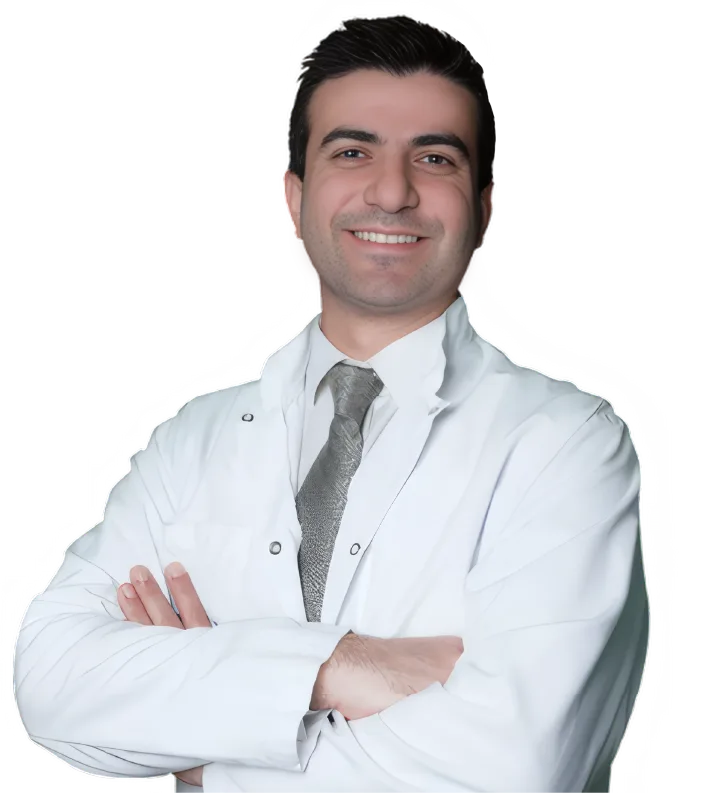
Doç. Dr. Osman Halit Çam
ENT & Head and Neck Surgery · Üsküdar, Istanbul

Septoplasty — clinic video
{ AI · pre-assessment }
onlineLet's talk about your nose

AI responses are not a substitute for a medical diagnosis.
Konuyla ilgili kısa videolar
Tüm videolar →Doç. Dr. Çam'ın YouTube kanalından bu konuyla ilgili kısa açıklamalar. Toplam 3 video.
-
Burun Ameliyatından Sonra Tampon/Silikon Bakımı

Burun Ameliyatından Sonra Merhem Uygulaması

Burun Ameliyatı ile Horlama/Uyku Apnesi Geçer mi?
Septoplasty is a surgical procedure that corrects a deviation of the nasal septum. Reshaping the external nose is not its purpose, and no noticeable cosmetic change is expected in most cases. Most patients go home the same day, and many resume non-strenuous daily activities after about a week.
- Type
- Functional surgery
- Duration
- 45-90 min
- Anesthesia
- General
- Stay
- Same day
- Recovery
- 5-7 days
Özet: Septoplasty is a functional operation that corrects a deviation of the nasal septum, the cartilage-and-bone wall separating the nasal passages. Its purpose is to address a structural contribution to nasal obstruction, not to guarantee a particular breathing result or reshape the external nose. Anaesthesia, discharge, recovery and follow-up are planned individually according to the procedure and the patient’s health. Benefits, limitations and risks require an in-person assessment and informed consent.
Septoplasty is a functional surgical procedure for correcting selected deviations of the nasal septum. It is generally performed through incisions inside the nose, although the operative approach and any possible effect on nasal support or appearance depend on the individual anatomy and the planned correction.
Table of Contents
The sections below explain the role of the septum, the assessment of nasal obstruction, conservative management, surgical planning, recovery and safety. They are intended to support an informed clinical discussion rather than help readers diagnose the cause of their symptoms or decide independently whether surgery is appropriate.
- What Is Septoplasty, and Which Structure Does It Correct?
- Why a Deviated Septum Matters
- Symptoms: How a Deviated Septum Presents
- A Simple Self-Check Before Your Appointment
- Causes of Septal Deviation
- Diagnosis: Examination, Endoscopy and Objective Tests
- Conservative Treatment: What Helps Before Surgery?
- Septoplasty or Septorhinoplasty: Which One Fits Your Situation?
- Preparing for Surgery: From Decision to Operating Room
- The Day of Surgery: Step by Step
- Adding Turbinate Surgery When Needed
- Technique Options: Mucosa Preservation, Endoscopic Assistance and Alternatives to Packing
- Recovery Timeline: What to Expect Week by Week
- Common Worries in the First Weeks
- Types of Septal Deviation
- Sleep, Energy and Whole-Body Effects
- Septoplasty in Children
- Risks and Safety
- International Patients: Planning Septoplasty in Istanbul
- When Should a Specialist Be Consulted?
- References
What Is Septoplasty, and Which Structure Does It Correct?
Septoplasty is surgery on the nasal septum, the wall formed by cartilage and bone between the nasal passages. The operation repositions, reshapes or removes selected deviated portions while seeking to preserve structural support. The exact technique depends on where the deviation lies, its complexity and the condition of the surrounding tissues.
A septal deviation is an anatomical finding, and its presence alone does not establish a need for treatment. Clinical relevance depends on the person’s complaints, examination findings, other possible causes of obstruction and the expected balance between benefit and risk.
Septoplasty primarily addresses function. It is not designed as an aesthetic procedure, but it is also incorrect to promise that external appearance can never change. A change in nasal support or shape is a recognised surgical risk and should be covered during informed consent. When functional and aesthetic concerns need to be considered together, septorhinoplasty represents a separate clinical decision.
Why a Deviated Septum Matters
A deviated septum may narrow one or both nasal passages and alter airflow, but its effects differ among individuals. The degree seen during examination does not always match the intensity of the complaint. Mucosal swelling, turbinate size, rhinitis, nasal valve function and other anatomical factors may contribute at the same time.
Conditions a clinician may evaluate include:
- Airflow resistance: A narrowed passage may contribute to a sense of restricted nasal breathing.
- Turbinate enlargement: Turbinate tissue may also be enlarged and contribute to obstruction on either side.
- Mucosal irritation: Changes in airflow may coexist with dryness, crusting or nasal bleeding.
- Sinus-related complaints: Septal anatomy may be considered alongside inflammation, drainage pathways and other possible factors in sinusitis.
- Sleep-related complaints: Nasal obstruction may coexist with mouth breathing, snoring or disturbed sleep, but it does not by itself establish the cause.
These relationships are not identical in every patient. Examination is used to determine whether the septum is clinically relevant and whether another condition better explains part or all of the complaint.
Symptoms: How a Deviated Septum Presents
A septal deviation may be considered when nasal obstruction is persistent or noticeably asymmetric, but symptoms alone cannot identify its source. Similar complaints may occur with rhinitis, turbinate enlargement, nasal polyps, nasal valve dysfunction or other conditions. The pattern, examination findings and response to previous management are assessed together.
Complaints that may be discussed during an evaluation include:
- Persistent difficulty breathing through the nose
- A sensation that one side is narrower than the other
- Mouth breathing, particularly during sleep
- Snoring or waking without feeling refreshed
- Facial pressure or headache
- Recurrent nasal or sinus-related complaints
- Nasal dryness, crusting or bleeding
- Reduced smell
- A change in voice resonance
- Breathing discomfort during physical activity
None of these complaints confirms septal deviation as the cause. Alternating obstruction may also reflect the normal nasal cycle or changing mucosal swelling, with or without an accompanying structural narrowing.
A Simple Self-Check Before Your Appointment
Home observation is preparation for a consultation, not a screening test or measurement of nasal airflow. Notes about timing, side, triggers and daily impact may help the clinician understand the pattern. They cannot determine whether the septum, mucosa, turbinates, nasal valve or another condition is responsible.
| What to note | Observation context | What a clinician may evaluate |
|---|---|---|
| Side of obstruction | Whether the sensation is one-sided, bilateral or alternating | Structural narrowing, the nasal cycle and changing mucosal swelling |
| Night-time pattern | Mouth breathing, snoring or disrupted sleep reported by the person or household | Whether a separate sleep and airway assessment may be relevant |
| Trigger pattern | Changes with dust, pollen, weather, position or activity | Possible inflammatory, environmental and structural contributors |
| Daily impact | Effects on sleep, concentration, exercise or routine activities | The clinical significance of the complaint and need for further evaluation |
Forceful manoeuvres, home devices and recordings do not replace examination or objective testing. The purpose of keeping notes is to provide context, not to reach a diagnosis or select a treatment.
Causes of Septal Deviation
Septal deviation may reflect developmental anatomy, previous trauma, earlier nasal surgery or a combination of influences. A person does not need to remember a major injury for a deviation to be present. The probable origin may inform the assessment, but it does not by itself determine symptom severity or treatment.
Developmental factors: The cartilaginous and bony components of the septum may grow asymmetrically as the face develops. Variations present around birth may also influence later septal shape.
Acquired factors: Sports injuries, falls, accidents, earlier fractures or previous nasal procedures may alter septal alignment. Cartilage and supporting tissues can also change over time.
The clinical question is not merely how the deviation developed. The assessment considers whether it currently contributes to obstruction, whether other factors coexist and whether the expected benefit of intervention justifies its risks.
Diagnosis: Examination, Endoscopy and Objective Tests
Assessment combines the medical history with examination of the nose. Endoscopy or objective tests may be considered when they could clarify anatomy, airflow or accompanying disease. No single symptom, photograph, home observation or isolated measurement is sufficient to determine whether septal surgery is appropriate.
An assessment may include:
- Medical history: The pattern of obstruction, previous trauma or surgery, allergy-related complaints, bleeding, smell and sleep-related concerns are reviewed.
- Anterior examination: The accessible parts of the nasal passages and septum are inspected.
- Nasal endoscopy: Deeper areas may be examined when clinically relevant.
- Objective airflow assessment: Rhinomanometry or acoustic rhinometry may be considered in selected situations.
- Imaging: Computed tomography may be requested when sinus disease or another structural concern requires evaluation; it is not automatically necessary for every septal deviation.
The clinician evaluates the septum together with the turbinates, mucosa, nasal valve and other structures. This helps distinguish a predominantly structural contribution from obstruction involving several factors.
Conservative Treatment: What Helps Before Surgery?
Conservative management cannot physically straighten septal cartilage, but it may address accompanying mucosal dryness, inflammation, allergy-related symptoms or turbinate swelling. Its role depends on the individual findings. It should not be presented as a required home trial before medical assessment or as proof that surgery is necessary if symptoms continue.
Options a clinician may consider include:
- Saline products for mucosal care
- Prescribed nasal medication when inflammation or rhinitis is relevant
- Antihistamine treatment when clinically appropriate
- Review of environmental exposures
- Discussion of smoking and other factors that may affect nasal health
Medication should be started, changed, reduced or stopped only according to medical advice. The effect of conservative management varies because symptoms may arise from structural, inflammatory and functional contributors in different proportions.
Persistent symptoms after medication do not independently prove that the septum is the source. Examination findings, clinical impact, alternative explanations and the risks of intervention remain part of the decision.
Septoplasty or Septorhinoplasty: Which One Fits Your Situation?
Septoplasty and septorhinoplasty have different scopes. Septoplasty focuses on the septum and nasal function, whereas septorhinoplasty may address functional anatomy and external form together. The suitable approach cannot be selected from symptoms or appearance alone; it depends on examination, the person’s concerns and the structures requiring correction.
| Comparison point | Septoplasty | Septorhinoplasty |
|---|---|---|
| Primary scope | Selected deviations of the nasal septum | Functional structures and external nasal form may be considered together |
| External appearance | Reshaping is not the primary aim, but change cannot be categorically excluded | External changes form part of the agreed plan |
| Incisions | Commonly placed inside the nose; approach varies | Approach varies with the planned corrections |
| Recovery | Depends on surgical extent and individual healing | Depends on functional and external procedures performed |
| Decision basis | Symptoms, examination, alternatives, risks and expected benefit | Combined functional and aesthetic assessment with informed consent |
When the principal concern involves a hump, tip position, asymmetry or another external feature, rhinoplasty is assessed on its own indications. A deviation near the front of the septum may also influence nasal support, making careful evaluation of both function and form important.
Neither procedure guarantees a particular breathing or aesthetic result. Possible benefits, limitations, appearance changes, revision considerations and surgical risks should be discussed before consent.
Preparing for Surgery: From Decision to Operating Room
Preparation begins only after an in-person assessment has established the proposed operation and alternatives. The medical history, current medicines, anaesthesia plan and individual risks are reviewed. Instructions about fasting, smoking, transport and medication are provided specifically for the patient and should not be replaced by general online advice.
Topics commonly addressed include:
- Medication review: Prescription medicines, non-prescription products and supplements are disclosed. Blood-thinning treatment is not stopped without agreement from the prescribing clinician.
- Anaesthesia assessment: General or, in selected circumstances, local anaesthesia may be considered according to the planned procedure and patient factors.
- Current illness: A new infection or change in health may require reassessment of the plan.
- Smoking: Its relevance to anaesthesia and tissue healing is discussed without imposing a universal unsupported time threshold.
- Fasting: The anaesthesia team provides individual instructions.
- Practical arrangements: Transport, support after discharge and time away from work are planned according to clinical advice.
Previous reports, imaging and a current medication list can support the pre-operative review. Questions about packing, splints, pain management, activity and follow-up should be resolved through the responsible medical team.
The Day of Surgery: Step by Step
The day of surgery includes admission checks, confirmation of consent, anaesthesia review, the operation and monitored recovery. Procedure length, anaesthesia type and discharge timing vary with surgical extent, accompanying procedures, medical circumstances and recovery from anaesthesia. Same-day discharge should therefore be treated as a possibility, not a promise.
The operation may involve these stages:
- The agreed anaesthesia is administered.
- The septum is approached, commonly through an incision inside the nose.
- The mucosal lining is elevated to access the deviated cartilage and bone.
- Selected portions are repositioned, reshaped or removed while structural support is preserved.
- The mucosa is closed, and sutures, splints or packing may be used when clinically indicated.
- The patient is monitored after anaesthesia, and discharge or observation is decided according to clinical status.
Congestion, pressure, pain, bleeding and temporary changes in smell can occur after surgery. Their intensity and management vary. Prescribed treatment and post-operative instructions should be followed without independent medication changes.
Adding Turbinate Surgery When Needed
Turbinate enlargement may coexist with a septal deviation and contribute to nasal obstruction. A turbinate procedure is not automatically added to every septoplasty. Its relevance is assessed through symptoms and examination, including how the tissue responds and whether inflammatory or structural factors are also present.
When additional treatment is proposed, its purpose, alternatives and separate risks should be explained during consent. Turbinate surgery may involve bleeding, crusting, dryness, altered sensation or persistent symptoms, and it does not guarantee unrestricted nasal airflow.
Further information about turbinate anatomy and clinical assessment is available on the nasal turbinate page. The decision to combine procedures remains individual and should not be inferred from home observation alone.
Technique Options: Mucosa Preservation, Endoscopic Assistance and Alternatives to Packing
Septoplasty is not a single standardised manoeuvre. Technique is selected according to the location and complexity of the deviation, previous surgery, tissue quality and the need to preserve nasal support. Endoscopic assistance, tissue-preserving methods, sutures, splints or packing may be considered, each with limitations and potential risks.
Mucosal preservation: The surgeon seeks to protect the mucosal layers while accessing and correcting the underlying septum. Mucosal injury can nevertheless occur, and healing varies.
Endoscopic assistance: An endoscope may improve visual access to selected areas. Its use does not make the operation risk-free or ensure a particular result.
Sutures, splints or packing: The choice depends on operative findings and the clinician’s protocol. Splints and packing can cause pressure, obstruction, discomfort, bleeding or local irritation. Removal timing is determined individually, and removal should not be described as universally painless.
Technique labels alone do not predict recovery or outcome. The clinically relevant issue is why a method is being proposed for the individual anatomy and how its benefits and risks compare with alternatives.
Recovery Timeline: What to Expect Week by Week
Recovery after septoplasty is variable and cannot be represented safely by a fixed universal schedule. Early congestion may persist while internal tissues heal, and functional changes may develop gradually. Return to work, exercise, travel and assessment of the breathing result depend on surgical extent, accompanying procedures and individual progress.
| Recovery phase | What may occur | How decisions are made |
|---|---|---|
| Immediate phase | Congestion, pressure, pain, blood-stained discharge or effects of internal materials | Monitoring, prescribed care and individual discharge criteria |
| Early healing | Swelling, crusting, dryness and temporary smell changes | Examination findings and the clinician’s instructions |
| Return to routine | Activity may be increased gradually | Type of work, bleeding risk, procedure extent and recovery |
| Ongoing healing | Internal swelling and tissue remodelling may continue | Follow-up based on symptoms and clinical findings |
| Later assessment | Nasal breathing and unresolved complaints are reviewed | Examination of structural and non-structural contributors |
Instructions about nose blowing, lifting, exercise, sleep position, nasal care and medication are tailored to the operation. A person should not substitute a general timeline for the directions provided by the treating team.
Recovery cannot be guaranteed to be rapid. Some people may have persistent obstruction, prolonged healing or a need for further assessment, particularly when rhinitis, turbinate enlargement, nasal valve dysfunction or other conditions coexist.
Common Worries in the First Weeks
Congestion, crusting, discharge, pain and temporary smell changes may occur during early healing, but online descriptions cannot determine whether an individual post-operative finding is expected. The pattern, severity and progression matter. Questions or concerns should be discussed with the responsible medical team rather than interpreted through a fixed checklist.
Experiences that may be reviewed after surgery include:
- A blocked sensation while swelling or internal materials remain
- Nasal pressure or pain
- Blood-stained discharge
- Crusting and dryness
- Temporary reduction or alteration of smell
- Concern about the appearance or support of the nose
- Continuing asymmetry of airflow
Medication should be used only as prescribed, and changes to treatment require medical advice. The breathing result should not be judged during the early congested phase, yet later improvement is not guaranteed and varies with anatomy, healing and other contributors.
Belirtiler ağırsa veya hızla kötüleşiyorsa gecikmeden bir sağlık kuruluşuna başvurulur.
Types of Septal Deviation
Septal deviations can differ in direction, location and complexity. Descriptive labels help clinicians communicate anatomy, but they do not predict symptoms or determine the operation by themselves. The same visible pattern may have different functional significance in different people, and several patterns can coexist after growth, trauma or previous surgery.
- C-shaped deviation: The septum curves predominantly in one direction.
- S-shaped deviation: Curves occur in opposing directions at different levels.
- Septal spur: A local projection of cartilage or bone is present. Contact with surrounding tissue does not, by itself, prove the cause of headache or facial pain.
- Caudal deviation: The front portion of the septum is displaced and may interact with tip support or the nasal valve.
- Post-traumatic deviation: Several planes or supporting structures may be involved.
These categories describe anatomy rather than treatment eligibility. The operative plan depends on functional findings, structural support, alternatives and informed discussion, not on a pattern name alone.
Sleep, Energy and Whole-Body Effects
Nasal obstruction may coexist with disturbed sleep, daytime tiredness, concentration difficulty or reduced exercise comfort. These complaints are not specific to septal deviation and may involve several medical, behavioural or anatomical factors. Correcting the septum addresses only the structural nasal component and cannot guarantee broader improvement.
Issues a clinician may evaluate include:
- Mouth breathing during sleep
- Snoring
- Symptoms that warrant assessment for sleep apnoea
- Non-restorative sleep or daytime sleepiness
- Dry mouth
- Reduced exercise comfort
- Changes in smell
Associations between nasal obstruction and these complaints do not establish a single direction of causation for every patient. A separate sleep assessment may be appropriate when the history suggests a sleep-related breathing disorder.
Prescribed PAP treatment, medication or other therapy must not be stopped or reduced without consulting the responsible clinician. If sleepiness affects alertness, a vehicle must not be driven.
Septoplasty in Children
Septal deviation can occur in childhood, but symptoms such as obstruction, mouth breathing or snoring do not identify the septum as the cause. Growth, trauma history, adenoid tissue, rhinitis, turbinate size, sleep-related concerns and effects on daily function are considered together before any treatment decision.
A child’s home behaviour or sleep pattern is not a diagnostic screening tool. Parental notes can help prepare for a consultation, while examination is needed to assess the possible contributors.
Timing is individualised. When surgery is considered, the potential effect on growth and nasal support, the consequences of ongoing obstruction, alternatives and procedure-specific risks require careful discussion. Growth-preserving principles may be relevant, but they do not remove surgical uncertainty.
The paediatric ENT page provides general information about childhood ear, nose and throat assessment without establishing whether septal surgery is needed for a particular child.
Risks and Safety
Septoplasty carries surgical and anaesthetic risks. Technique and perioperative care may reduce some risks but cannot eliminate them. The likelihood and consequences vary with anatomy, health, previous procedures and surgical extent. Informed consent should cover material risks, reasonable alternatives and the possibility that symptoms may persist.
Possible complications include:
- Bleeding
- Infection
- Septal haematoma
- Septal perforation
- Persistent or recurrent nasal obstruction
- Change in nasal support or external shape
- Temporary or lasting change in smell
- Numbness affecting the upper teeth, lip or palate
- Adhesions or scarring inside the nose
- Anaesthesia-related complications
- Need for further treatment or revision surgery
Septoplasty corrects selected septal anatomy; it does not treat every cause of nasal obstruction. Rhinitis, turbinate enlargement, sinus disease, nasal valve dysfunction or other conditions may continue to contribute after surgery.
A particular breathing result, uncomplicated recovery or unchanged appearance cannot be guaranteed. Continuing or returning complaints require reassessment rather than an assumption that the operation has either succeeded completely or failed permanently.
International Patients: Planning Septoplasty in Istanbul
For a person who lives outside Istanbul, safe planning requires the same in-person examination, informed consent and perioperative standards as for any other patient. Remote communication may exchange existing information, but it cannot confirm diagnosis, surgical eligibility, operative scope, fitness for anaesthesia or readiness to travel.
Relevant safety considerations include:
- Medical records and current medicines should be available for the treating team.
- The final plan requires an in-person clinical assessment.
- Travel timing should follow individual medical advice rather than a fixed itinerary.
- Arrangements should account for the possibility of additional observation or reassessment.
- Responsibility for post-operative questions and complications should be clear before surgery.
- Later remote communication does not replace an examination when physical assessment is needed.
This section does not recommend a destination, accommodation, transfer service or travel package. Safety cannot be inferred from a country or city. It depends on verifiable professional qualifications, an appropriate surgical and anaesthesia setting, informed consent, continuity of care and access to assessment if concerns arise.
When Should a Specialist Be Consulted?
Persistent or troublesome nasal obstruction warrants a clinician’s assessment because symptoms cannot reliably distinguish septal deviation from rhinitis, turbinate enlargement, nasal valve dysfunction, polyps, sinus-related disease or other conditions. The purpose of assessment is to identify contributing factors and discuss appropriate options, not to confirm a self-diagnosis.
A medical evaluation may be considered when nasal complaints:
- Persist or repeatedly affect daily life
- Are noticeably asymmetric
- Interfere with sleep or physical activity
- Follow nasal trauma
- Include recurrent bleeding or smell changes
- Continue despite previously prescribed management
- Occur with snoring or other sleep-related concerns
A decision about surgery follows clinical assessment and informed consent. If several factors contribute, septoplasty may address only part of the problem, and the course after treatment remains individual.
Belirtiler ağırsa veya hızla kötüleşiyorsa gecikmeden bir sağlık kuruluşuna başvurulur.
References
No verified document-level source was supplied with the draft. General institutional or database homepages are not listed as evidence because they do not substantiate the article’s specific clinical claims.
This content is for general information only; diagnosis and treatment require an in-person medical examination.
Frequently Asked Questions
undefined
undefined
undefined
undefined
undefined
undefined
undefined
undefined
undefined
undefined
undefined
undefined
undefined
undefined
undefined
undefined
undefined
undefined





Schedule a Consultation
Your information reaches Assoc. Prof. Dr. Çam's clinic. A response is made within 24 hours.