Revision Rhinoplasty
Secondary or tertiary nasal surgery planned when the outcome of a previous rhinoplasty requires further aesthetic or functional correction.
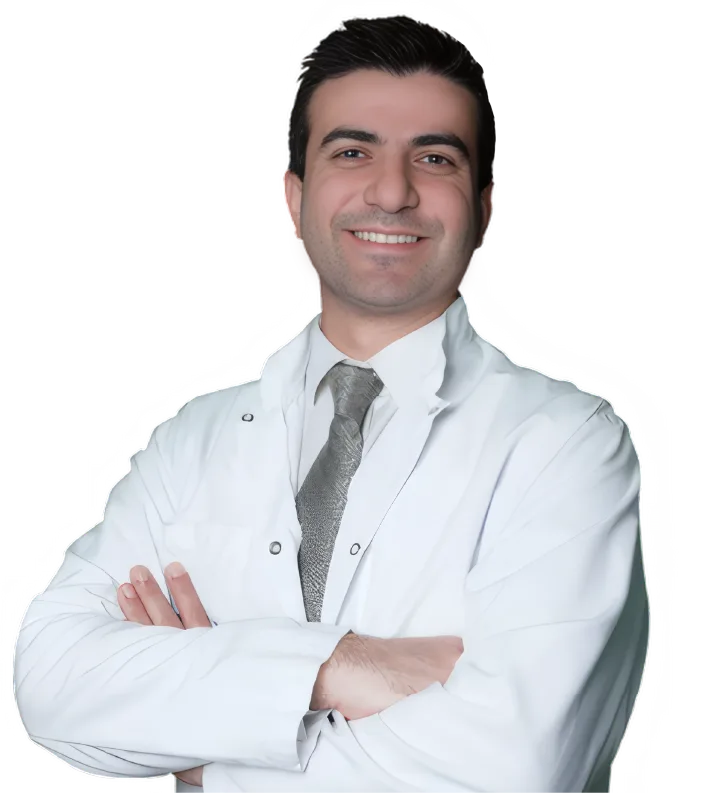
Doç. Dr. Osman Halit Çam
ENT & Head and Neck Surgery · Üsküdar, Istanbul

Revision Rhinoplasty — clinic video
{ AI · pre-assessment }
onlineLet's talk about your nose

AI responses are not a substitute for a medical diagnosis.
Konuyla ilgili kısa videolar
Tüm videolar →Doç. Dr. Çam'ın YouTube kanalından bu konuyla ilgili kısa açıklamalar. Toplam 4 video.
-
Revizyon Burun Ameliyatı & Gerçek Sonuçlar
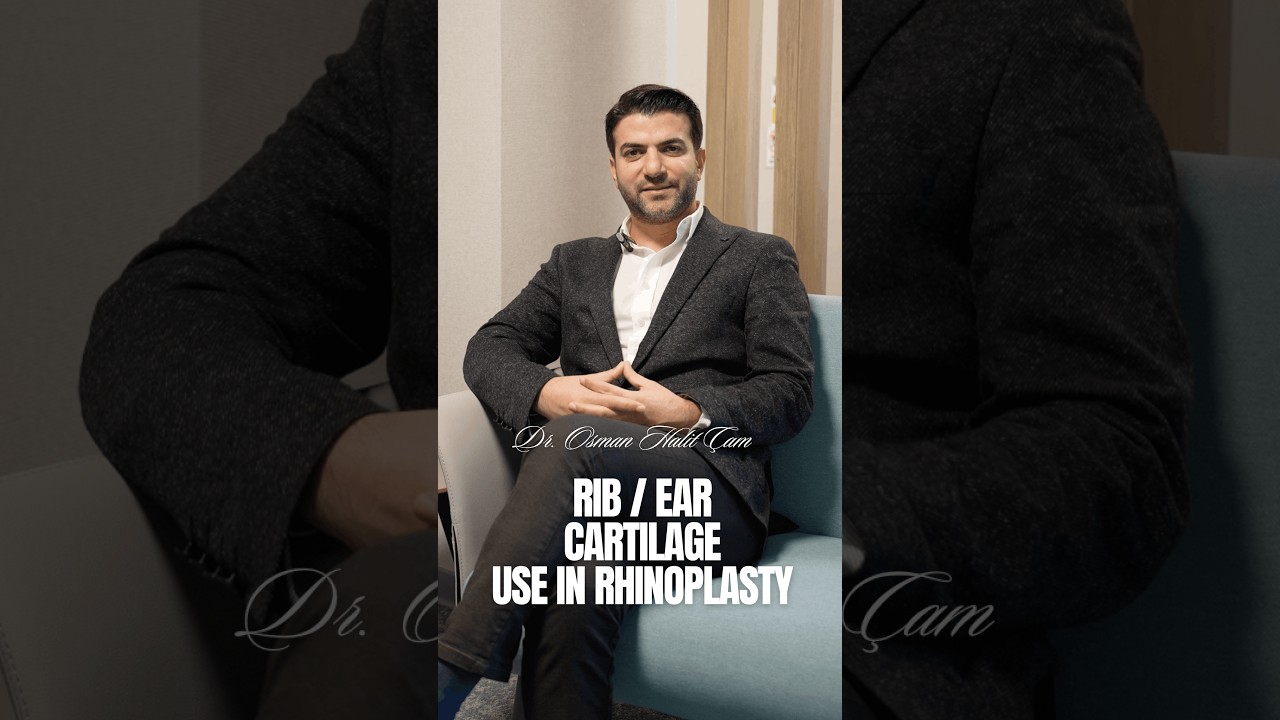
Strüktürel Rinoplastinin Gizli Kahramanı: Kaburga Kıkırdağı

Burun Ameliyatından Sonra Tampon/Silikon Bakımı

Burun Ameliyatından Sonra Merhem Uygulaması
Revision rhinoplasty is a secondary procedure performed to correct the aesthetic or functional outcome of a previous nasal operation. Waiting for tissue healing to complete is commonly recommended before it is planned.
- Type
- Secondary surgery
- Duration
- 3-5 hours
- Anesthesia
- General
- Stay
- 1 night
- Recovery
- 10-14 days social, 12-18 months final result
Özet: Revision rhinoplasty is a secondary or tertiary nasal operation considered after previous nasal surgery. It may address persistent concerns involving appearance, breathing, or both, but dissatisfaction alone does not establish a need for further surgery. Altered anatomy and scar tissue require an individual assessment. Possible benefits, limitations, risks, and recovery vary from person to person.
Revision rhinoplasty is an operation performed on a nose that has previously undergone surgery. It differs from primary rhinoplasty because bone, cartilage, soft tissue, and internal anatomy may already have been altered, requiring a new plan based on examination findings and the patient’s concerns.
This page addresses revision cases only. General terminology related to first-time nasal surgery is available on the rhinoplasty page.
Table of Contents
The sections below explain when revision may be evaluated, why adequate healing matters, how previous surgery changes planning, and what an assessment may include. They also distinguish persistent concerns from temporary postoperative changes and outline realistic expectations without implying that a particular technique or outcome is appropriate for every person.
- When is a revision considered?
- Why waiting matters
- How a revision differs from a first rhinoplasty
- Common revision scenarios
- The evaluation process
- International patients
- Surgical approach and recovery
- Realistic expectations
- When to consult a specialist
- Frequently Asked Questions
- References
When is a revision considered?
A revision may be considered when an aesthetic or functional concern persists after the tissues have been allowed to heal. Temporary swelling, firmness, or perceived asymmetry cannot be assumed to represent the final result or normal recovery without examination. The decision depends on anatomy, healing, symptoms, previous procedures, and realistic treatment goals.
Aesthetic reasons
Aesthetic evaluation may focus on persistent changes in contour, proportion, symmetry, or structural support. Findings that a physician may assess include:
- A visible change at the junction between the nasal bones and cartilage
- Loss of tip support or a change in tip position
- Differences between the sides of the dorsum, tip, or nostrils
- Hollowing or reduced structural support after previous tissue removal
These observations do not determine by themselves whether another operation is appropriate. Photographs, examination findings, the person’s expectations, and the risks of further intervention are considered together.
Functional reasons
Functional evaluation addresses breathing complaints and the structures that may influence airflow. Previous surgery can alter the septum, nasal side walls, valves, mucosa, or supporting cartilage, but a symptom cannot identify the responsible structure on its own.
Where septal anatomy requires separate consideration, the scope of septoplasty can be distinguished from broader revision planning during medical evaluation.
Why waiting matters
Waiting matters because operated tissues continue to change as swelling, firmness, and scar maturation evolve. An early appearance does not reliably show the eventual contour, while persistent symptoms may still require assessment. No universal waiting interval can determine readiness for every patient; timing is established individually through examination and review of the healing course.
Further surgery on tissue that is still changing can make evaluation and planning less certain. During follow-up, the physician may consider:
- Whether the observed change remains stable
- Whether breathing complaints are persistent or variable
- How the skin and soft tissues have healed
- Whether structural support appears reduced
- Whether the patient’s goals can be defined realistically
- Whether the potential benefit justifies another surgical intervention
Waiting is not a promise that every concern will resolve. Likewise, the persistence of a concern does not automatically mean that revision surgery is indicated. The distinction requires clinical assessment rather than home observation alone.
How a revision differs from a first rhinoplasty
Revision surgery differs from primary rhinoplasty because it is performed in an area with altered anatomy and scar tissue. Natural tissue planes may be less distinct, and cartilage available within the nose may be limited. These factors can affect examination, operative planning, graft selection, risks, healing, and the degree of change considered medically reasonable.
| Criterion | Primary rhinoplasty | Revision rhinoplasty |
|---|---|---|
| Anatomical state | Structures have not undergone prior nasal surgery | Structures may be reshaped, weakened, or scarred |
| Tissue assessment | Natural reference points may be clearer | Reference points may be altered |
| Graft planning | Available septal cartilage is assessed | Septal, ear, or rib cartilage may be considered |
| Planning | Based on current anatomy and goals | Also requires review of previous surgery and healing |
| Healing course | Varies by anatomy and procedure | May be influenced by scar tissue and prior intervention |
| Goal framing | Changes are limited by anatomy and safety | Existing alterations may further narrow feasible goals |
Cartilage graft sources
Structural support may require cartilage grafting, depending on what remains after the earlier operation. Possible sources include:
- Septal cartilage: Cartilage within the nasal septum may be considered when sufficient suitable tissue remains.
- Ear cartilage: Conchal cartilage may be evaluated when its shape and flexibility fit the structural requirement.
- Rib cartilage: Costal cartilage may be considered when a larger or firmer graft is required.
Each donor site introduces its own limitations and potential complications. Graft harvesting can create an additional surgical area, and cartilage can change in shape, position, or visibility during healing. The source is therefore selected only after examination and discussion of the expected role, alternatives, and risks.
Common revision scenarios
Revision assessments commonly examine recurring patterns of altered contour, support, symmetry, or airflow. These patterns are not diagnoses that can be established from appearance or symptoms alone. A physician evaluates the external nose, internal anatomy, tissue quality, previous surgical changes, and the relationship between the patient’s concerns and clinically observable findings.
- Change at the bone-cartilage junction: A contour difference may be associated with altered dorsal support, scar tissue, or previous reshaping.
- Reduced structural support: Excessive or uneven tissue removal may be among the circumstances considered when assessing hollowing or loss of tip support.
- Tip position or asymmetry concerns: Differences in rotation, projection, or side-to-side balance may involve cartilage, scar tissue, skin characteristics, or several factors together.
- Breathing complaints: Evaluation may consider the septum, nasal valves, mucosa, side-wall support, and other possible contributors rather than assuming a single cause.
- Changes after trauma: A later injury may affect the appearance or function of a previously operated nose and requires a fresh assessment.
| Patient-reported concern | Situations a physician may evaluate |
|---|---|
| Persistent contour irregularity | Bone-cartilage relationships, scar tissue, skin thickness, structural support |
| Perceived tip droop or imbalance | Tip-support mechanisms, cartilage position, soft-tissue changes |
| Nasal blockage | Septal anatomy, valve region, mucosal factors, side-wall support |
| Change after an injury | New structural alteration, tissue response, relationship to prior surgery |
| Dissatisfaction without a clear physical change | Expectations, proportional assessment, risks and limits of further intervention |
The evaluation process
Revision assessment combines the history of earlier surgery with current physical findings and the patient’s stated concerns. It is not limited to deciding whether another operation can be performed. The evaluation also considers whether intervention is medically reasonable, which goals are measurable, what limitations exist, and whether non-surgical observation remains appropriate.
- Medical and surgical history: Previous operations, healing problems, nasal trauma, current symptoms, medications, and relevant health conditions are reviewed.
- Available records: Operative notes and earlier photographs may help clarify how the anatomy has changed, although their absence does not establish a conclusion.
- External examination: Nasal proportions, symmetry, skin and soft-tissue characteristics, scars, and structural support are assessed.
- Internal examination: The septum, mucosa, nasal passages, valve region, and other visible structures are evaluated.
- Additional evaluation: Endoscopy may be used to inspect internal anatomy. It provides visual anatomical information and is not, by itself, an objective measurement of airflow.
- Expectation framing: Desired changes are compared with anatomical limits, potential risks, and the possibility that further surgery may offer limited or uncertain benefit.
The physician and patient should use clear, specific language when discussing concerns. Computer images or photographs, if used, support communication and planning; they do not guarantee a surgical result.
International patients
For a person who lives abroad, the same medical principles apply as for any revision assessment. Records or photographs may provide background information, but they cannot replace an in-person examination or establish suitability for surgery. Travel arrangements should not be treated as confirmation that an operation will be recommended or performed.
Any preliminary exchange of information remains provisional. Decisions about diagnosis, surgical indication, technique, anaesthesia, follow-up, and fitness for travel require an appropriate clinical assessment.
Considerations that may need discussion include:
- Availability of previous operative records
- Relevant medical conditions and current medications
- The limits of assessment based on photographs
- Access to appropriate postoperative medical review
- How unexpected concerns would be evaluated after returning home
- Whether travel could interfere with necessary examination or follow-up
The need for continuity of care should be considered independently of convenience or travel plans.
Surgical approach and recovery
The surgical approach and recovery plan depend on prior procedures, current anatomy, required structural work, anaesthetic assessment, and individual health factors. An open or closed approach may be considered according to the structures that require access. No fixed operating, observation, recovery, or final-result interval applies reliably to every revision case.
Revision surgery carries general surgical and anaesthetic risks as well as risks specific to previously operated nasal tissue. These may include:
- Bleeding or infection
- Scar-related contour or functional changes
- Persistent or new asymmetry
- Changes in sensation
- Breathing complaints that persist or change
- Graft visibility, movement, resorption, or shape change
- Donor-site complications when ear or rib cartilage is used
- Need for further medical or surgical assessment
Swelling, bruising, firmness, altered sensation, and temporary asymmetry may occur during recovery, but these findings should not automatically be labelled normal or self-limiting without clinical context. Follow-up, activity limitations, pressure precautions, wound care, and medication use are determined by the treating physician. Prescribed medication must not be stopped, reduced, or changed without medical advice.
The healing course varies with tissue characteristics, the extent of surgery, scar formation, graft use, and other individual factors. A precise recovery estimate can only be provided after examination and operative planning.
Realistic expectations
Realistic expectations mean defining a limited, anatomically feasible objective while acknowledging uncertainty. Revision surgery cannot promise a flawless, perfectly symmetrical, or permanent result. Existing scar tissue, reduced cartilage, skin characteristics, prior structural changes, and healing responses may restrict what can be altered and may affect both appearance and breathing.
The aim is not to guarantee correction of all existing concerns. Instead, assessment considers whether a proportionate change may be possible and whether the expected benefit justifies the risks.
Important limits include:
- Perfect symmetry cannot be guaranteed.
- Breathing and appearance may involve several interacting structures.
- A technically possible change may not be medically advisable.
- Grafts introduce additional variables during healing.
- Further surgery can create new scars or structural changes.
- The perceived result may differ from a planned or simulated image.
- Another procedure may still be discussed if a clinically significant concern remains, but this possibility is not a promised treatment pathway.
Emotional responses to a previous result can be substantial and deserve a respectful, non-judgemental discussion. If a requested change is not clearly observable, cannot be defined safely, or is unlikely to produce a proportionate benefit, further surgery may not be recommended. Appropriate non-surgical support may also be discussed according to individual needs.
When to consult a specialist
A physician assessment may be considered when concerns about appearance, breathing, or structural change persist after previous nasal surgery. The purpose is not to confirm revision surgery in advance, but to distinguish evolving healing from a stable finding, examine possible contributing factors, and discuss whether observation, further evaluation, or intervention is medically appropriate.
Reasons for seeking an assessment may include:
- Persistent concern about nasal contour, balance, or structural support
- Ongoing breathing complaints after previous nasal surgery
- A change following later trauma
- Uncertainty about whether observed changes reflect healing or a lasting alteration
- Difficulty aligning the desired change with realistic anatomical limits
- A need to understand the risks of another operation
No symptom list or home comparison can determine candidacy. The decision requires examination and an individual risk-benefit discussion.
Belirtiler ağırsa veya hızla kötüleşiyorsa gecikmeden bir sağlık kuruluşuna başvurulur.
Note: Revision rhinoplasty is a surgical medical intervention with potential risks. The appropriate method, timing, limitations, and possible outcomes depend on individual anatomy, previous procedures, health status, and healing characteristics. A specific result cannot be guaranteed.
The following answers address common decision-making questions without determining diagnosis, candidacy, timing, or treatment from symptoms alone. Previous surgical details and current anatomy differ substantially between individuals. Consequently, general information cannot replace examination, review of medical history, or an individual discussion of benefits, limitations, alternatives, and potential complications.
References
No verified document-level source was supplied for this draft. Institutional homepages are not listed as scientific references because they do not directly substantiate the clinical timing, recovery, graft, or outcome claims discussed on this page.
This content is for informational purposes only; diagnosis and treatment require an in-person physician examination. Surgical outcomes and recovery vary from person to person.
Frequently Asked Questions
How long after the first surgery is a revision usually considered?
A universal waiting interval cannot be applied to every case. Revision is generally evaluated after the tissues have had sufficient opportunity to heal and the findings can be assessed more reliably. The appropriate timing depends on the previous procedure, current anatomy, healing course, symptoms, and examination findings rather than a self-applied calendar threshold.
Why is a revision more complex than a first rhinoplasty?
Revision surgery takes place in anatomy that may contain scar tissue, altered cartilage, changed structural support, and less distinct tissue planes. Previous cartilage removal may also affect graft planning. These factors can increase uncertainty and influence technique, risks, healing, and achievable goals, although the extent of complexity differs between patients.
Where is the cartilage graft taken from?
If grafting is considered necessary, cartilage may be available from the septum, ear, or rib. The choice depends on the amount, strength, shape, and flexibility required, as well as the condition of possible donor sites. Each option has specific limitations and risks that require an individual discussion before surgery.
Does every dissatisfaction after nasal surgery mean a revision is needed?
No. Dissatisfaction does not by itself establish a surgical indication. Swelling, firmness, perceived asymmetry, structural alteration, breathing complaints, expectations, and emotional responses may require different forms of evaluation. Whether further surgery is appropriate depends on stable examination findings, achievable goals, potential benefit, and the risks of another intervention.
I am travelling from abroad — how does planning work?
Records and photographs may provide preliminary background, but they cannot confirm a diagnosis, surgical indication, or treatment plan remotely. An in-person examination remains necessary before definitive decisions. Follow-up access, continuity of care, possible complications, and the effect of travel on medical review must be discussed independently of travel convenience.
Procedures often evaluated together
-
Rhinoplasty
Rereading the architecture of the nose through function and proportion; aesthetic rhinoplasty where breathing and appearance are planned together.
-
Septorhinoplasty
Combined nasal surgery that corrects a deviated septum (function) and nasal shape (aesthetics) together in a single session.





Schedule a Consultation
Your information reaches Assoc. Prof. Dr. Çam's clinic. A response is made within 24 hours.