Rhinoplasty
Rereading the architecture of the nose through function and proportion; aesthetic rhinoplasty where breathing and appearance are planned together.
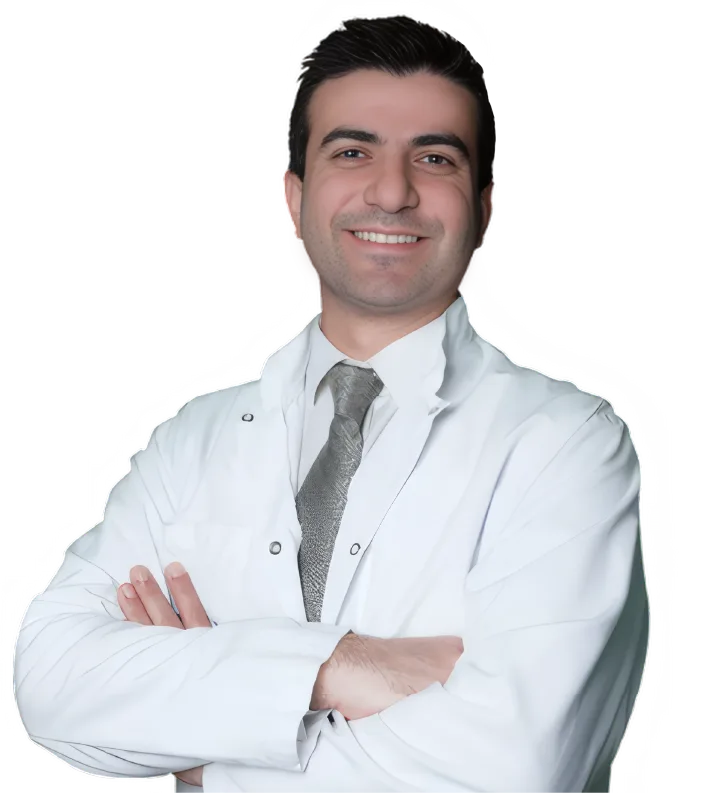
Doç. Dr. Osman Halit Çam
ENT & Head and Neck Surgery · Üsküdar, Istanbul

Rhinoplasty — clinic video
{ AI · pre-assessment }
onlineLet's talk about your nose

AI responses are not a substitute for a medical diagnosis.
Konuyla ilgili kısa videolar
Tüm videolar →Doç. Dr. Çam'ın YouTube kanalından bu konuyla ilgili kısa açıklamalar. Toplam 26 video.
-
Rhinoplasty Ameliyatı — Hasta Görüşü

Rhinoplasty Patient's Post-Op Review

Rhinoplasty Glow Up

Rinoplasti — Burun Estetiği

Septorinoplasti: Daha İyi Nefes, Daha İyi Görünüm
Sinüs Cerrahisi ile Rinoplasti

Alçı Çıkışı — Rinoplasti Sonrası İlk Görünüm

Rinoplasti Sonrası Kontrol Muayenesi

Ameliyat Öncesi Dinliyoruz — Hasta Konsültasyon Günü

Revizyon Burun Ameliyatı & Gerçek Sonuçlar
Strüktürel Rinoplastinin Gizli Kahramanı: Kaburga Kıkırdağı

Kapalı vs Açık Rinoplasti Ameliyatı

Rinoplasti Ameliyat Günü

Burun Estetiği Sonrası 3. Ay Sonucu
İstanbul Rinoplasti — Burun Estetiği Sonrası

Rinoplasti Burun Ameliyatı Sonrası

Rhinoplasty Result — Burun Estetiği Sonucu
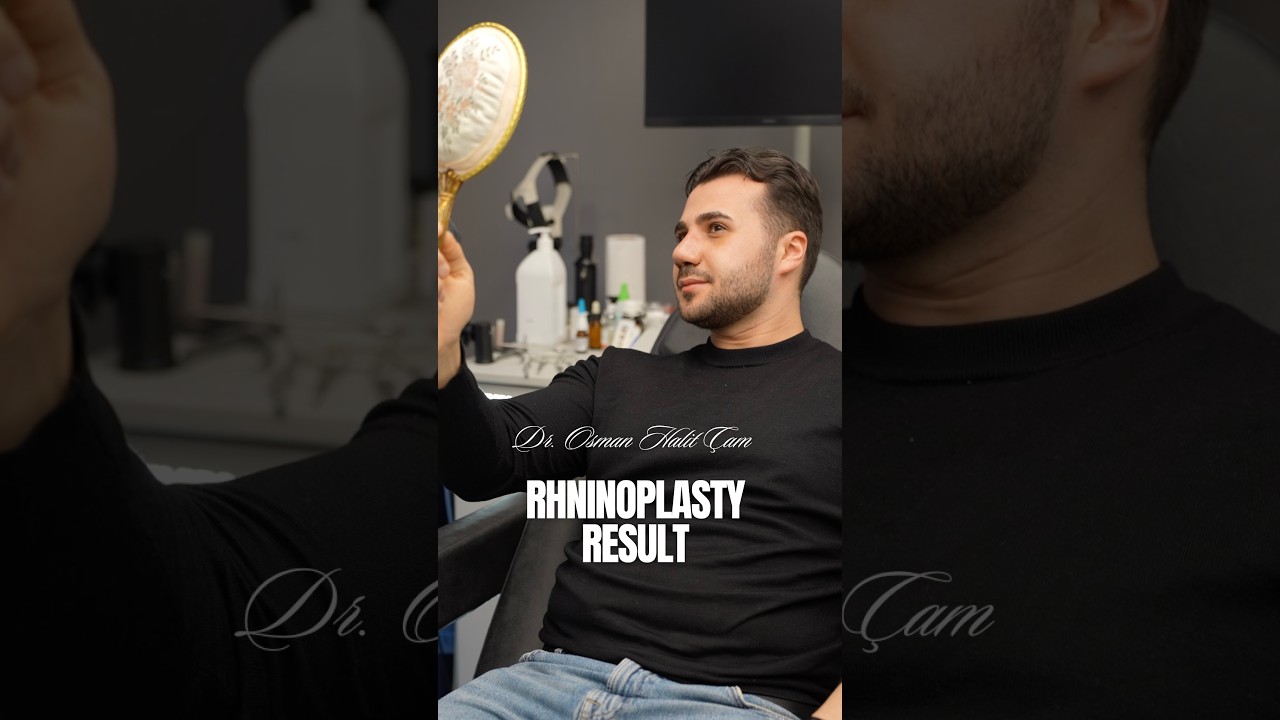
Rhinoplasty Result — Burun Estetiği Sonrası

Rhinoplasty + Lower Blepharoplasty

Rhinoplasty + Lower Blepharoplasty

Rhinoplasty + Chin Liposuction

Rhinoplasty + Double Chin Liposuction
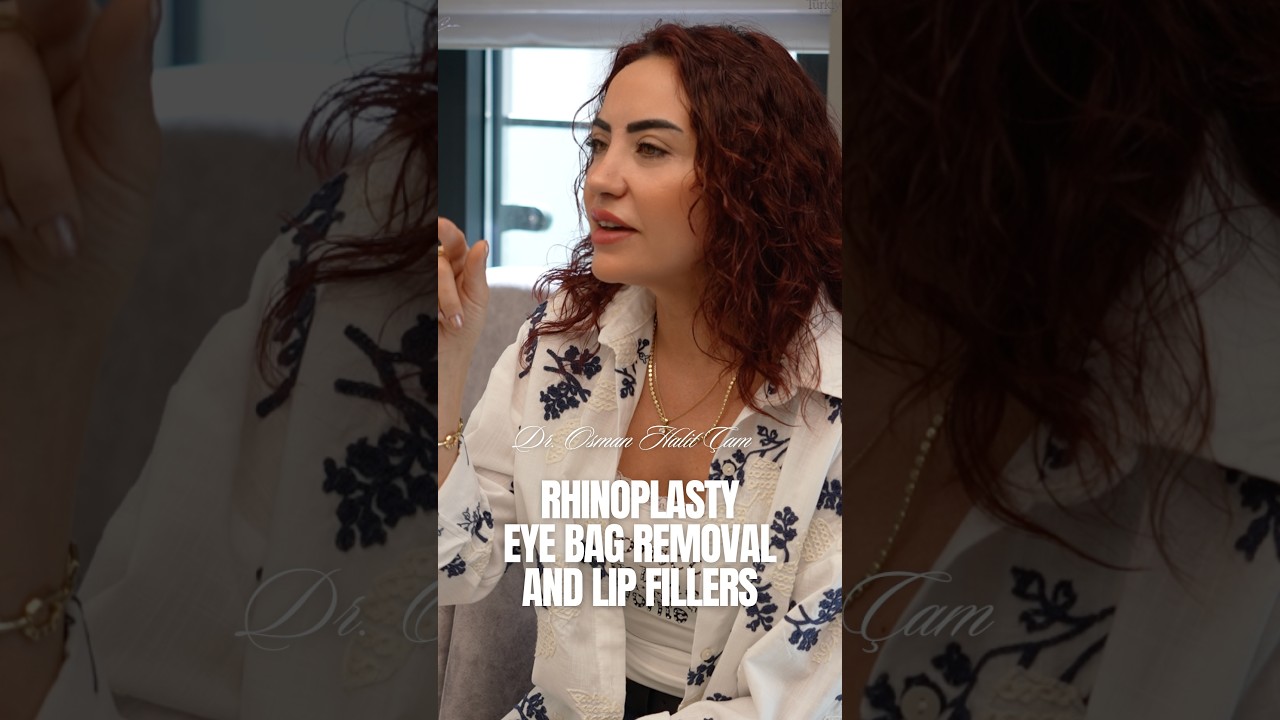
Rinoplasti + Göz Torbası + Dudak Dolgusu

Burun Ameliyatından Sonra Tampon/Silikon Bakımı

Burun Ameliyatından Sonra Merhem Uygulaması
Rhinoplasty Ameliyatı — Burun Estetiği Sonrası Hasta Görüşü
|
- Type
- Surgical
- Duration
- 3–4 hours
- Anesthesia
- General
- Stay
- 1 night
- Recovery
- Social recovery 10–14 days, full recovery 12 months
Summary: Rhinoplasty is surgery that reshapes the external nose while accounting for structural support and the nasal airway. Planning may address proportion, asymmetry, tip position or the nasal dorsum, but suitability cannot be determined from appearance or symptoms alone. Technique, recovery and possible outcomes vary with anatomy, health, surgical scope and healing. No specific appearance, functional change or recovery course can be guaranteed.
Rhinoplasty is a surgical procedure involving the skin envelope, cartilage framework, bony pyramid and their relationship with the septum and face. Its scope is determined through medical history, internal and external examination, facial analysis and discussion of the patient’s concerns; an online or photographic review does not replace an in-person physician examination.
Table of Contents
This page follows the evaluation process from understanding the scope of nasal surgery through consultation, planning, technique, surgery, recovery and longer-term maturation. It also explains functional considerations, limitations, risks and the information that should be verified when treatment would involve travel. Each decision remains individual and depends on examination findings.
- What Is Rhinoplasty, and Which Structures Are Addressed?
- Rhinoplasty, Septoplasty or Septorhinoplasty?
- Who Is a Suitable Candidate for Rhinoplasty?
- Preparing for Your Consultation
- What to Expect at Your First Consultation
- How Does Nasal Analysis and Planning Work?
- Open and Closed Technique: The Core Differences
- The Day of Surgery: Step by Step
- Will It Hurt?
- Recovery Timeline: Day by Day and Week by Week
- What Should You Pay Attention to During Recovery?
- Nasal Tip Surgery: The Most Delicate Area
- Balancing Aesthetics and Function
- Managing Expectations and the Maturing Result
- Risks and Safety
- What Should International Patients Verify?
- International Patients: How the Process Works from Abroad
- When Should a Specialist Physician Be Consulted?
- Frequently Asked Questions
- References
What Is Rhinoplasty, and Which Structures Are Addressed?
Rhinoplasty reorganises selected parts of the external nose within a plan that considers support and airflow. Depending on examination findings, the physician may evaluate the nasal bones, upper and lower lateral cartilages, septum, tip-support mechanisms and skin envelope. Changes in one structure can influence both appearance and function.
The external nose can be considered through three connected structural layers:
- Skin and soft tissue
- The underlying cartilage framework
- The bony pyramid
Skin characteristics influence how changes in the framework appear externally. Cartilage strength and position contribute to support, tip form and the relationship between the nasal walls. The septum, internal nasal valves and surrounding structures are also assessed because external reshaping cannot be considered separately from the airway.
Topics raised during consultation may include:
- The contour of the nasal dorsum
- Tip projection, rotation or width
- Asymmetry
- The relationship between the nose and other facial features
- Changes following trauma or previous surgery
- Concerns about nasal airflow
Small structural changes may alter the appearance of the midface, but the visible effect cannot be predicted from measurements or photographs alone. Anatomy, tissue response and healing place individual limits on what may be achieved.
Rhinoplasty, Septoplasty or Septorhinoplasty?
Rhinoplasty, septoplasty and septorhinoplasty describe different surgical scopes, but a patient’s preferred label does not establish the appropriate operation. The physician evaluates external form, the internal nasal partition, airway structures, medical history and stated concerns together. The final scope can only be determined after an internal and external examination.
| Procedure term | Main area considered | What the physician evaluates | Detailed page |
|---|---|---|---|
| Rhinoplasty | External nasal framework | Proportion, support, symmetry and the relationship with function | This page |
| Septoplasty | Internal nasal septum | Whether septal structure is relevant to the individual airway assessment | septoplasty |
| Septorhinoplasty | External framework and internal septum | Whether external and internal structures need to be considered within one plan | septorhinoplasty |
A septal deviation may be identified during examination without necessarily requiring surgery. Its clinical relevance depends on the patient’s history, examination findings and the contribution of other nasal structures. Detailed information about septal assessment belongs on the septoplasty page.
Previous surgery changes the context because scar tissue, remaining cartilage and altered support may affect evaluation. That subject is discussed under revision rhinoplasty. Planning that considers inherited facial and nasal characteristics is addressed under ethnic rhinoplasty. These terms organise information; they do not allow self-selection of an operation.
Who Is a Suitable Candidate for Rhinoplasty?
Suitability for rhinoplasty cannot be established through a checklist or online self-assessment. A physician considers physical development, nasal anatomy, general health, previous procedures, motivation, expectations and the relationship between possible benefit and surgical risk. Having an aesthetic or breathing concern does not by itself mean that surgery is appropriate.
Issues that a patient may wish to discuss include:
- A concern about the dorsum, tip, width or symmetry
- Perceived disproportion between the nose and other facial features
- A structural difference present from birth
- A change following trauma
- Nasal airflow concerns
- Questions arising after previous nasal surgery
This list describes consultation topics rather than criteria for candidacy. Similar concerns may have different anatomical explanations, and the same visible feature may require different clinical considerations from one person to another.
Previous operations, allergies, chronic conditions, medicines, supplements, smoking and nicotine exposure may influence planning, anaesthesia assessment and healing. A decision should reflect the patient’s own stable preferences rather than pressure from another person, a trend or an attempt to reproduce someone else’s nose.
For younger patients, physical development, decision-making capacity, clinical need and the wider health context require individual evaluation. A single age threshold cannot establish readiness for surgery. In adults, suitability also remains individual; skin characteristics, cartilage quality, medical conditions and anaesthesia considerations are assessed rather than inferred from age alone.
Preparing for Your Consultation
Consultation preparation is intended to improve the accuracy of the medical discussion, not to prepare the patient automatically for surgery. Bringing a complete health history, clearly describing concerns and listing questions helps the physician assess relevant anatomy, limitations and risks. Medicines or supplements should not be stopped, reduced or changed without physician guidance.
Information to prepare includes:
- A complete list of prescription medicines, non-prescription products and supplements
- Known allergies and chronic medical conditions
- Previous experiences with anaesthesia
- Smoking, vaping, nicotine and alcohol-use information
- Records of previous nasal operations or facial injuries, when available
- Notes about features the patient wishes to discuss or preserve
- Questions about alternatives, technique, anaesthesia, risks, recovery and follow-up
Reference photographs may help explain a preference, but they do not predict or promise a result. Facial proportions, skin, cartilage and bone differ between people, so another person’s appearance cannot be transferred directly.
For a remote preliminary discussion, clearly framed front, profile, oblique and base-view photographs may provide limited visual context. Relevant reports and previous operation notes can also be shared when available. Such material may identify subjects for later discussion, but it cannot establish candidacy, complete the physical examination or finalise a surgical plan.
What to Expect at Your First Consultation
The first consultation is a medical assessment and informed discussion rather than a commitment to undergo surgery. The patient describes aesthetic and functional concerns, the physician reviews health information and the nose is examined internally and externally. Planning possibilities, limitations, alternatives, risks and uncertainty should then be discussed without pressure to decide.
The conversation may explore:
- Which features concern the patient
- Whether nasal airflow is also a concern
- What the patient wants to preserve
- Previous surgery, injury or treatment
- Medical conditions, allergies and current medicines
- Expectations about appearance and function
The external examination may consider skin characteristics, the bony dorsum, cartilage strength, tip support, nostril balance and symmetry. The internal assessment may consider the septum, turbinates and airway. Additional examination methods may be used when the physician considers them relevant.
Standardised photographs can support analysis and documentation. Visual planning or simulation may help communicate a direction, but it cannot reproduce all variables involved in surgery and healing. It therefore cannot guarantee a final shape.
The consultation should leave time for questions and reflection. The patient may consider the information, obtain another medical opinion or decide against surgery. Consent should follow an individual evaluation and an understandable discussion of benefits, limitations, alternatives and risks.
How Does Nasal Analysis and Planning Work?
Nasal analysis combines medical history, internal and external examination, facial assessment, photography and discussion of expectations. The purpose is to understand how the nose relates to the face and airway while identifying structural limits. A plan developed for one person cannot be copied unchanged from another person’s photograph or simulation.
The assessment covers five connected areas:
- Medical history: Previous surgery, trauma, allergies, illnesses, medicines, supplements and nicotine exposure are reviewed.
- External examination: Skin characteristics, dorsal form, tip support, cartilage strength and symmetry are assessed.
- Internal examination: The septum, turbinates, valves and airway are considered.
- Facial analysis: The nose is assessed in relation to the forehead, chin, lips and wider facial proportions.
- Expectation alignment: Desired changes, features to preserve, uncertainties and potential trade-offs are discussed.
Measurements and photographs help organise observations, but they do not operate as a formula for choosing an operation or predicting a result. The physician considers how proposed changes could affect support, contour and airflow.
The planning objective is an individual, anatomically feasible direction rather than a standardised nasal shape. The proposed scope may change after an in-person examination or if new health information becomes available.
Open and Closed Technique: The Core Differences
Open and closed rhinoplasty differ principally in incision placement and the route used to reach the nasal framework. An open approach includes a columellar incision, whereas a closed approach uses internal incisions. Neither technique is universally preferable; selection depends on anatomy, surgical scope, previous procedures, tissue characteristics and physician assessment.
| Feature | Open approach | Closed approach |
|---|---|---|
| Incision route | Internal incisions with an additional columellar incision | Incisions within the nostrils |
| Exposure | Broader direct access to selected framework structures | Access through internal surgical routes |
| Planning context | May be considered when wider exposure or reconstruction is relevant | May be considered when the planned work can be performed through internal access |
| Limitations and risks | Includes an external incision and associated scar considerations | More limited exposure may affect suitability for some plans |
| Decision basis | Individual anatomy and intended surgical scope | Individual anatomy and intended surgical scope |
Open technique
The columellar incision is connected to internal incisions so the skin and soft-tissue envelope can be elevated. This may provide direct access for tip work, asymmetry assessment, grafting or reconstruction. It also creates an external incision, and scar appearance cannot be predicted with certainty. Swelling, tissue response and other surgical risks remain relevant.
Closed technique
The closed approach uses incisions inside the nostrils. It may be considered when the required structures can be addressed adequately through internal access. The absence of a columellar incision does not make the procedure risk-free or guarantee a particular recovery pattern. Suitability depends on the intended changes and the access required to perform them.
How the choice is made
Technique selection should follow the examination and planned structural work rather than the popularity of a label. The physician considers skin characteristics, cartilage strength, tip support, asymmetry, previous surgery and the possible need for reconstruction.
Ultrasonic or piezo instruments may be considered for selected bony work, while preservation rhinoplasty describes approaches intended to retain particular dorsal or support relationships. These terms do not identify an automatically suitable or lower-risk method. Outcomes and complications remain dependent on the individual patient and operation.
The Day of Surgery: Step by Step
The day of rhinoplasty follows a structured surgical and anaesthetic pathway, but its duration and observation requirements vary. The patient follows individual preparation instructions, undergoes final safety checks and meets the responsible medical team. Discharge is based on clinical assessment, the operation performed and recovery rather than a fixed timetable.
A typical pathway may include:
- Admission and verification: Identity, consent, preparation status, allergies and current medicines are checked.
- Final clinical review: The agreed plan is revisited, and relevant photographs or markings may be completed.
- Anaesthesia assessment: Health information and the immediate recovery pathway are reviewed.
- Operation: The planned bony, cartilage, tip-support and functional structures are addressed.
- Recovery monitoring: Breathing, circulation, nausea, discomfort and bleeding are observed.
- Postoperative support: An external splint or internal supports may be used when the operation requires them.
- Discharge assessment: Medicines, wound care, restrictions, warning information and follow-up arrangements are explained.
Rhinoplasty is commonly performed under general anaesthesia, which has its own risks and requires individual assessment. The precise surgical duration cannot be predicted from the procedure name alone because complexity, previous surgery and the planned structural work differ.
Observation may be extended when clinical findings require it. The patient should follow the responsible medical team’s instructions and should not change prescribed medicines independently.
Will It Hurt?
Rhinoplasty can involve pain, pressure, congestion, tenderness and other discomforts, but their intensity and duration vary between individuals. Anaesthesia and postoperative pain management are planned according to the patient and procedure. No person should be told that the operation or recovery will be painless, and discomfort cannot be predicted precisely beforehand.
Swelling, internal supports and nasal secretions may temporarily affect nasal breathing. Mouth dryness, pressure or a sense of fullness may accompany the early recovery period. The relative prominence of these experiences differs according to the procedure and the person’s healing response.
Prescribed treatment should be used only as directed. Additional medicines should not be started, stopped or substituted without consulting the responsible physician because some products can influence bleeding, anaesthesia or interactions with other treatment.
Pain or discomfort should be discussed with the treating team when it is difficult to manage or changes unexpectedly. If symptoms are severe or worsen rapidly, a healthcare facility should be contacted without delay.
Recovery Timeline: Day by Day and Week by Week
Recovery after rhinoplasty is gradual rather than fixed to a universal day-by-day schedule. Swelling, bruising, congestion and changes in appearance may evolve at different rates, while the nasal tip can mature differently from the dorsum. The operation performed, skin characteristics, previous surgery and individual healing all affect the course.
| Recovery phase | What may be experienced | How it is assessed |
|---|---|---|
| Immediate postoperative phase | Pressure, congestion, tenderness, bruising or swelling may occur | Observation and the individual discharge assessment |
| Early home recovery | Visible swelling and changes around the nose may fluctuate | Following the written care plan and reporting concerns |
| After removal of external support | The visible shape may remain affected by swelling | Examination rather than judging the final result |
| Intermediate healing | Contour and symmetry can continue to change | Individual follow-up based on clinical findings |
| Longer-term maturation | Fine swelling, particularly around the tip, may continue to settle | Comparison with the surgical plan after adequate maturation |
The appearance seen after removal of external support is not the final outcome. Healing may not progress symmetrically, and day-to-day fluctuations do not by themselves establish whether there is a complication or a lasting contour difference.
Follow-up timing should be set by the responsible physician according to the operation, examination findings and access to care. Fixed appointments or recovery milestones cannot be prescribed accurately for every patient in a general information page.
What Should You Pay Attention to During Recovery?
Recovery precautions are intended to protect healing tissues and identify concerns, but they must be individualised to the operation. Written discharge instructions take priority over general information. Activity, glasses, sleep position, sun exposure and nasal care should be discussed with the treating team rather than managed through a universal online timetable.
General subjects commonly covered in discharge guidance include:
- Protecting the nose from pressure and impact
- Avoiding unapproved massage or manipulation
- Following the advised sleeping position
- Clarifying when strenuous activity may resume
- Asking when glasses may rest on the nasal dorsum
- Discussing sport and contact-risk activities before resuming them
- Avoiding smoking and nicotine because healing may be affected
- Protecting healing skin from intense sun exposure
- Using prescribed medicines only as directed
- Attending follow-up examinations recommended for the individual procedure
Restrictions are adjusted according to examination findings, bone and soft-tissue healing, swelling and the specific surgical work performed. A general recovery estimate is not a guarantee and should not be used to override personalised instructions.
Medicines, supplements or nicotine-related products should not be stopped or restarted independently. When instructions are unclear, clarification should be obtained from the responsible medical team.
Nasal Tip Surgery: The Most Delicate Area
The nasal tip is a three-dimensional structure shaped by small cartilages, soft tissue and support relationships. Altering projection, rotation or width can also influence nostril shape and facial expression. Tip planning therefore considers contour together with support, symmetry, airway relationships and the limits created by anatomy and healing.
The lower lateral cartilages contribute to the tip framework. Their medial portions help form the central support, while their lateral portions contribute to the nasal wings. Position, strength and symmetry may affect width, definition and stability.
Tip analysis may consider:
- Upward or downward orientation
- Forward projection
- Rotation and its relationship with the upper lip
- Width and contour
- Nostril proportion
- Columellar and alar relationships
- Existing cartilage strength and symmetry
Sutures, cartilage reshaping, limited tissue modification or grafts may be considered according to the planned structural change. A columellar strut is one possible support method, but it is not required for every patient and cannot guarantee long-term tip position.
Any proposed refinement must be discussed alongside surgical risks, healing uncertainty and the possibility of asymmetry or contour irregularity. Millimetric planning language describes anatomical precision; it does not promise a particular visible outcome.
Balancing Aesthetics and Function
Aesthetic planning and nasal function are connected because the dorsum, middle vault, septum, valves and tip-support structures interact. External narrowing or reshaping may influence the airway if support relationships change. For this reason, the physician evaluates appearance and breathing together even when the patient’s stated concern is primarily aesthetic.
The plan may consider:
- Septal position and support
- Internal valve relationships
- Lateral cartilage support
- Turbinate findings
- Existing asymmetry
- The effect of proposed external changes on the airway
The aim is to avoid unnecessary tissue removal and to account for functional structures during planning. Even with careful assessment, a particular improvement in breathing or appearance cannot be guaranteed. Potential benefits, limitations and trade-offs should be included in informed consent.
When septal structure is relevant, further information is available on the septoplasty page. When external and internal structures may both need evaluation, the broader surgical scope is explained on the septorhinoplasty page. These resources do not replace examination or determine which operation is appropriate.
Managing Expectations and the Maturing Result
The appearance after rhinoplasty changes as tissues heal, so an early view does not establish the final result. Expectations should account for anatomical limits, temporary swelling, possible asymmetry and uncertainty in tissue response. A natural-looking direction may be discussed, but no particular contour, degree of change or functional outcome can be guaranteed.
Important considerations include:
- Internal motivation: The decision should reflect the patient’s own stable preference.
- Anatomical limits: Skin, cartilage, bone, support and previous surgery influence what may be feasible.
- Maturation: Different parts of the nose may change at different rates during healing.
- Communication: The intended direction, preserved features and accepted trade-offs should be discussed.
- Uncertainty: Simulation, measurement and surgical planning cannot predict every aspect of healing.
- Body image: Disproportionate distress about a minor feature may warrant broader supportive evaluation before surgery is considered.
Descriptions such as straight, soft or concave profiles are aesthetic references rather than gender rules or surgical targets. Planning should consider the person’s face, identity and preferences without imposing a standard template.
Satisfaction cannot be promised and should not be treated as a technical endpoint. The final assessment depends on adequate healing, function, the agreed plan and the individual’s experience of the result.
Risks and Safety
Rhinoplasty carries surgical and anaesthetic risks that cannot be eliminated through careful planning alone. Informed consent should cover relevant complications, alternatives, limitations and the possibility of further treatment. The likelihood, severity and management of an adverse outcome depend on the patient, the operation and the clinical circumstances.
Potential complications include:
- Infection
- Bleeding
- Persistent swelling
- Asymmetry or contour irregularities
- Septal perforation
- Changes in smell
- Irregularities beneath the skin
- Scar-related concerns
- Nasal airway problems
- An aesthetic or functional result that differs from the plan
- Need for medical treatment or another procedure
- Anaesthesia-related complications
Some concerns may change as swelling settles, whereas others may require assessment or intervention. It is not possible to state generally that a complication will resolve on its own or through a minor procedure.
Further surgery should not be presented as an automatic correction or guaranteed solution. When a later assessment makes it relevant, the altered anatomy, scar tissue, remaining cartilage and support are considered separately under revision rhinoplasty.
Patients should receive understandable written information about postoperative concerns and access to appropriate follow-up. If symptoms are severe or worsen rapidly, a healthcare facility should be contacted without delay.
What Should International Patients Verify?
Treatment safety cannot be inferred from a country, city or travel arrangement. It depends on verifiable professional credentials, individual assessment, an appropriate surgical and anaesthetic setting, informed consent and continuity of care. Anyone considering surgery away from home should verify how in-person review and local care would be accessed if plans or health circumstances change.
Due diligence may include:
- Confirming the physician’s identity, training and current professional registration
- Understanding who would perform the operation
- Confirming who would provide anaesthesia
- Establishing that an in-person examination precedes any final surgical decision
- Asking where the operation would take place
- Understanding how unexpected clinical needs would be managed
- Receiving understandable information about risks, alternatives and recovery
- Clarifying how travel plans may change if recovery differs from expectations
- Establishing who handles concerns after discharge
- Knowing how local in-person assessment could be obtained after returning home
- Keeping copies of reports, consent documents, operation notes and discharge instructions
Professional experience may provide context, but it does not replace verification or a case-specific assessment. The same principles apply regardless of destination. Travel convenience, accommodation or transfer arrangements should not determine whether surgery proceeds.
International Patients: How the Process Works from Abroad
Remote communication may organise information before or after travel, but it cannot establish a diagnosis, confirm candidacy or replace examination. Any travel pathway should remain subordinate to medical assessment. The final decision, surgical scope, observation needs and fitness to travel depend on in-person findings and may change even after preliminary plans have been discussed.
- Remote preliminary discussion: Photographs, concerns, breathing history and available records may be reviewed to identify matters requiring examination.
- Document preparation: Relevant reports, medicine lists and previous operation notes may help the later medical assessment.
- Travel considerations: The patient should understand that booked transport or accommodation does not create a medical obligation to proceed.
- In-person examination: The internal and external nose must be assessed before a final decision or technique is established.
- Surgical decision: New findings may change, defer or rule out the preliminary plan.
- Postoperative observation: Its setting and duration are determined clinically rather than by the travel itinerary.
- Return journey: Fitness to travel requires individual assessment and should not be assumed from a pre-booked date.
- Later follow-up: Remote photographs or conversations may supplement monitoring but cannot replace a necessary physical examination.
Accommodation and transfer services are logistical matters rather than indicators of clinical quality or suitability. They should not be bundled conceptually with consent to surgery.
Long-distance follow-up has practical limits. The patient should know how to obtain local medical assessment if an in-person review becomes necessary. If symptoms are severe or worsen rapidly, a healthcare facility should be contacted without delay.
When Should a Specialist Physician Be Consulted?
A physician assessment may be considered when concerns about nasal appearance, airflow, trauma or previous surgery are persistent enough to warrant medical discussion. Symptoms or visible features do not identify a diagnosis or the appropriate procedure by themselves. Internal and external examination is needed before benefits, alternatives, limitations and risks can be evaluated.
Topics that may be raised during an assessment include:
- Persistent concern about the dorsum, tip, width or symmetry
- Questions about nasal airflow or mouth breathing
- Sleep-related concerns occurring alongside nasal blockage
- Changes in appearance or airflow after trauma
- A structural irregularity present from birth
- Questions after previous nasal surgery
These observations are not a self-screening tool and should not be used to select surgery. Similar complaints may involve different combinations of the septum, turbinates, inflammatory conditions, sinus disease or external nasal framework.
Related background information is available on the turbinate hypertrophy, nasal polyps and sinusitis pages. These links describe subjects a physician may consider; they do not establish that any listed condition is present.
The assessment should clarify the patient’s concerns, relevant examination findings, possible alternatives and the uncertainty surrounding outcomes. Deciding against or deferring surgery remains a valid outcome of consultation.
These answers provide general information about technique, procedure terminology, appearance, discomfort, recovery and assessment involving travel. They cannot identify which operation is appropriate for an individual. Recommendations depend on medical history, internal and external examination, surgical scope, anaesthetic assessment and the way each person’s tissues heal.
References
No document-level external sources were supplied with the source brief. General information on this page does not replace individual examination, informed consent or case-specific medical advice.
This content is for informational purposes only; diagnosis and treatment require an in-person physician examination.
Frequently Asked Questions
What is the difference between open and closed rhinoplasty?
Open rhinoplasty uses internal incisions together with a columellar incision, while closed rhinoplasty uses incisions within the nostrils. The approaches provide different routes to the nasal framework and have different limitations and risks. Neither is universally preferable. The planned structural work, anatomy, previous surgery and physician assessment guide selection.
Is rhinoplasty, septoplasty or septorhinoplasty right for me?
The terms describe different areas of surgical planning rather than choices that can be made from symptoms alone. [Septoplasty](/en/services/septoplasty) concerns the internal septum, while [septorhinoplasty](/en/services/septorhinoplasty) considers external and internal structures within a broader plan. An internal and external examination is required to determine whether any procedure is appropriate.
Is a natural result possible?
A natural-looking direction may be part of aesthetic planning, but no particular appearance can be guaranteed. Skin characteristics, cartilage strength, bone structure, facial proportions, surgical scope and healing influence the visible outcome. Reference photographs and simulations can support communication, but they do not predict the final result.
How does the recovery process unfold?
Recovery is gradual and differs between patients. Swelling, bruising, congestion and changes in contour may evolve at different rates, while the tip can mature differently from other areas. Follow-up and restrictions should be based on the operation and examination findings rather than a universal timeline.
When can I wear glasses and return to sport after rhinoplasty?
There is no single safe interval that applies to every operation. Pressure from glasses and the risk of impact or strain must be considered according to the surgical work and healing findings. The responsible physician should determine when glasses, exercise and contact-risk activities may resume.
How does the process work for patients coming from abroad?
Remote communication may gather photographs, records and questions before travel, but it cannot confirm candidacy or replace examination. Any final decision requires an in-person assessment. Observation, follow-up and fitness to travel are determined clinically, and travel arrangements may need to change according to findings or recovery.
Will rhinoplasty hurt?
Pain, pressure, congestion and tenderness can occur after rhinoplasty, and their intensity and duration vary. Anaesthesia and postoperative pain management are planned individually. Medicines should be used as prescribed and should not be independently added, stopped or changed.
How should I prepare for a rhinoplasty consultation?
Prepare an accurate medicine and supplement list, information about allergies and medical conditions, details of nicotine and alcohol use, and records of previous nasal operations or injuries when available. Written notes can help explain concerns and features to preserve. Medicine changes must be directed by a physician.
Is rhinoplasty in Turkey safe?
Safety cannot be determined by country or city alone. It depends on verifiable professional credentials, individual assessment, an appropriate hospital and anaesthesia process, informed consent, surgical circumstances and access to follow-up. The same points should be checked whether treatment is considered in Turkey or elsewhere.
Procedures often evaluated together
-
Revision Rhinoplasty
Secondary or tertiary nasal surgery planned when the outcome of a previous rhinoplasty requires further aesthetic or functional correction.
-
Septoplasty
Aims to improve nasal airflow when obstruction is caused by a deviated septum. Reshaping the external nose is not the purpose of the operation.





Schedule a Consultation
Your information reaches Assoc. Prof. Dr. Çam's clinic. A response is made within 24 hours.